Concorde Staff


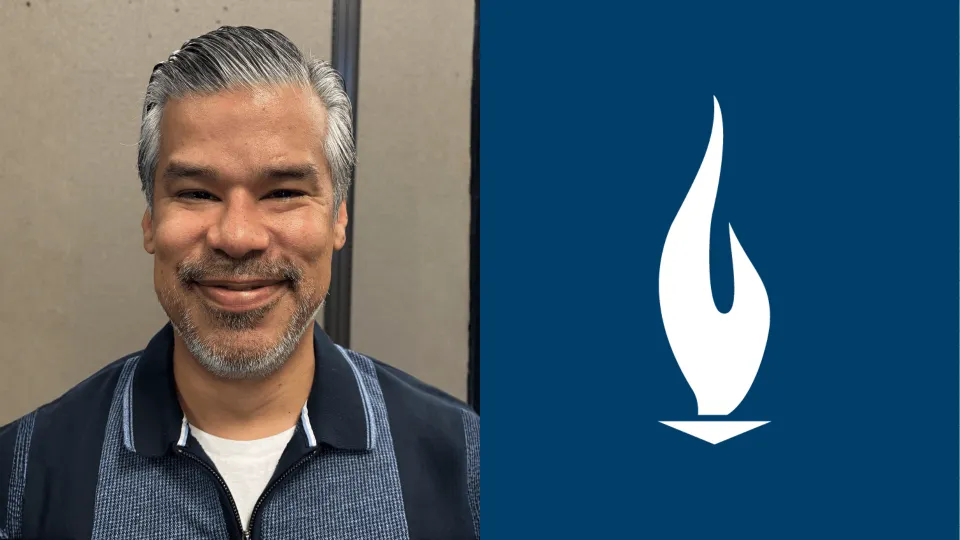
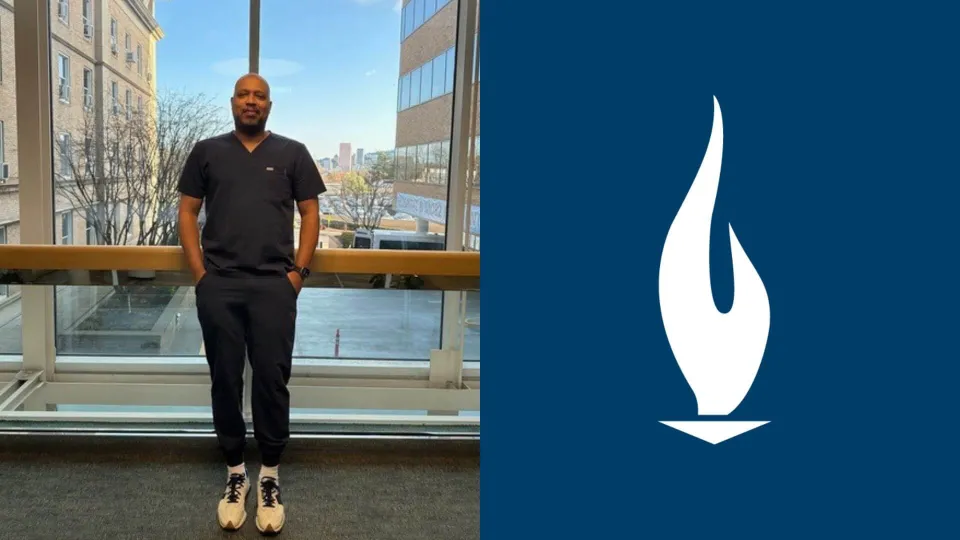
Jesus Solis knows what it means to follow an unexpected calling. After serving as a mechanic in the military, he found a new career in respiratory therapy—and never looked back.
Now a registered respiratory therapist (RRT) and instructor at Concorde San Antonio, Jesus has spent 15 years building a career defined by purpose, growth, and service. His journey is a powerful reminder that a meaningful healthcare career can begin anywhere, and that the experiences you carry with you don't just follow you—they fuel you.
A Career That Fell into His Lap
Jesus didn't grow up dreaming of becoming a respiratory therapist. In fact, he didn’t even know about the role until he decided to change careers.
While serving as an active-duty mechanic, he began thinking ahead, looking for a career path that could sustain his family and translate into civilian life. Jesus knew he wanted something in the healthcare field. When his career counselor pointed him toward respiratory therapy, he was intrigued.
"I gave it a couple of days and researched it bit, because I wasn't familiar with respiratory therapy," Jesus recalls. "After thinking it over, I decided to go for it, and the rest is history."
While still serving in the military, Jesus enrolled in the Interservice Respiratory Therapy Program (IRTP) at Joint Base San Antonio-Fort Sam Houston, TX and Brooke Army Medical Center (BAMC).
Jesus was surprised to learn that his years of working on engines were great preparation for becoming an RT. His experience shows that skills you've spent years developing don't disappear when you change careers. In healthcare, they can become your greatest asset.
"Tracing electricity isn't much different than tracing the cardiopulmonary system in terms of blood flow," Jesus explains. "The body is surprisingly similar to an engine. We all have the same type of schematic layout—just varying systems and wiring—and you can compare the high and low-pressure systems in fuel to high and low pressures in the circulatory system."
In a full circle moment, Jesus returned to IRTP in his final four years in the military—this time as an instructor.
"It was amazing being able to work with the same RT faculty that I learned from and other military RTs,” Jesus reflects. “I built many friendships and learned so much as an instructor at IRTP. It was an honor closing out my 22 years of service in the same place my RT journey began.”
From Bedside to Classroom
After 15 years as a practicing RT, Jesus made a purposeful shift from the bedside to the classroom. He now serves as an instructor for Concorde San Antonio’s RT program.
"I decided to transition to teaching because I wanted to give back by molding future RTs into the clinicians that I wanted to be and see working in the field," he says.
Jesus' teaching approach blends textbook content with hands-on learning, and he prepares students for a variety of situations they might encounter as an RT by drawing upon lessons learned during his 15 years in the field.
"I'm going to show students exactly what they need for the exam that’s in the book, but I'm also going to show them what I've done in my own career so they experience real-life scenarios," Jesus says. "This is a very visual and tactile profession. We have to touch things for those concepts to really click."
Why Jesus Loves Educating the Next Generation
For Jesus, the best part of teaching is seeing students succeed after graduation and knowing he played a role in their journey. He was reminded of that recently when his sister-in-law attended a burn symposium at Brooke Army Medical Center in San Antonio and met two presenters who were Jesus' students two years prior.
"It's always nice when those moments happen,” Jesus says. “They told her that they really appreciated me and looked up to me during their time in the program, which definitely warmed my heart."
When asked what he most wants his graduates to take with them after completing the RT program, Jesus' answer comes quickly:
"Remember your why. Tap into whatever brought you to the program, keep that in mind, and let it propel you forward,” Jesus says. “Also, hold onto the humanity of our job. We see a lot of loss, so it’s important to remember to have empathy. That’s not something that can be taught in a textbook.”
What Sets Great RTs Apart
Clinical knowledge will get you through the door, but Jesus says it's the soft skills that define the kind of RT you become. And the good news is that these are qualities students can start developing from day one:
Coachability. The best learners aren't the ones who never make mistakes—they're the ones who can receive constructive feedback with an open mind and put it to work immediately.
Flexibility. Textbooks provide the foundation, but real patient care rarely follows the script. Great RTs know how to adapt when it matters most.
Empathy and sympathy. Respiratory patients are often frightened, struggling to breathe, and at some of the most vulnerable moments of their lives. The ability to genuinely connect—not just treat—makes all the difference.
Channeling nerves. Anxiety doesn't disqualify you from this field. Jesus encourages students to reframe it: that nervous energy, when focused, becomes drive, precision, and presence.
A Career That Goes Beyond the Hospital
Jesus points out that many people assume RTs are limited to hospital bedside care—but that’s far from the truth. Respiratory therapy can open doors to a wide range of specialties and settings, such as:
- ECMO specialist (extracorporeal membrane oxygenation)
- Pediatric and neonatal respiratory care
- Sleep clinics and sleep study labs
- Pulmonary function testing in outpatient labs
- Home care, including oxygen delivery and equipment setup
- Ventilator education and training for hospital staff
- Online education and content creation
RT can also prepare professionals for other healthcare environments, including nursing and healthcare administration.
"Long gone are the days where RTs are confined bedside," Jesus says. "There's a lot of ways to leverage this profession."
Cold and Flu Season: Quick Wins for Your Lungs
Respiratory health lives in our daily habits, so we asked Jesus to share what he'd tell anyone looking to protect their lungs heading into cold and flu season. His advice is straightforward—stick to the basics:
Wash your hands. Proper hand hygiene is the single most effective thing you can do to protect yourself and the people around you.
Be mindful when you're sick. If you're under the weather, think beyond yourself. Practicing cough etiquette and masking when symptomatic isn't just courtesy; it's care.
Stay hydrated. Water does more than quench thirst. Keeping your body well-hydrated helps your airways and lungs function the way they're designed to, and it gives your respiratory system the support it needs to do its job.
An Unexpected Path to a Purposeful Career
From military mechanic to respiratory therapist to educator, Jesus’s journey is proof that meaningful careers aren't always the ones you planned—they're the ones you grow into. The skills you've built and experiences you've gained don't just travel with you. They can serve as the foundation for something greater.
Picturing yourself in a career where you can make a difference like Jesus? Consider taking the next step and exploring Concorde's Respiratory Therapy program, where you’ll learn from experienced faculty and gain hands-on healthcare training. Contact our admissions team or schedule a tour to learn more.
Take The Next Step Towards a Brighter Future
Interested in learning more about our Respiratory Therapy program?
We have a Concorde representative ready to talk about what matters most to you. Get answers about start dates, curriculum, financial aid, scholarships and more!
Related Articles
View All

Latest Articles
View All