Concorde Staff


A career college is an educational institution that offers programs designed to prepare students for specific jobs or roles in the workforce, emphasizing hands-on skills and real-world training. Unlike traditional four-year universities, which focus on general education, career colleges offer shorter diploma or associate degree programs, targeted to a career path.
For students who are trying to decide their next step, understanding the options may help them decide which track to pursue. Let's explore the benefits of choosing a healthcare career college, why it may differ from a traditional college, the typical programs offered, and how Concorde Career College can help.
What is a Career College? The Key Benefits

A career college, also known as a technical or vocational school, is a postsecondary school that focuses on teaching students the tools of the trade for their specific career. Key benefits involve:
- Focused programs: Shorter, more job-focused training rather than broad general education.
- Hands-on learning: Practical skills and lab work for specific careers.
- Industry-aligned curriculum: Designed with employer needs in mind.
- Credentials upon completion: Career certificates, diplomas, or associate degrees.
How Career Colleges Are Different
A job-specific education is the best reason to choose a career college. Unlike a traditional degree, where one learns everything in the curriculum, regardless of whether it applies to their chosen field or not, a career college is focused on preparing students for their professional life. At a healthcare career college like Concorde, students may opt for either a diploma program or an associate degree, depending on the specific career and education program.
Many career colleges have smaller class sizes than traditional colleges, which may allow for more personal attention and interaction with instructors. Flexible timing is another advantage. Students may work while they study or complete their training program in person, online, or on a hybrid schedule.
There are also a variety of ways to fund these programs. Many programs include externships or internships that prepare students for the job and give them practical experience designed to support skill development. Competitive advantages depend on individual effort, labor market conditions, and the alignment of specialized training with current industry demands. Some students may choose payment options that allow them to pay off the course fee while studying or within a short period of time after graduation.
Typical Programs at Career Colleges
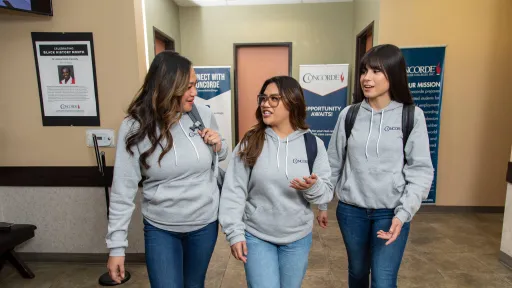
Prospective students may choose from a variety of options, including healthcare, skilled trades, and technical programs, and much more. Concorde Career College offers more than 20 different education programs, ranging from core programs to clinical programs.
Healthcare Programs
Healthcare education programs at career colleges offer accelerated, hands-on training for roles in clinical, administrative, and technical fields across categories like nursing, patient care, dental, and allied health. Program length varies by campus, schedule, and student progress; minimum timeframes represent the shortest possible completion. Popular programs include:
- Medical Assisting for those who wish to handle clinical or administrative tasks in a doctor's office, hospital, or other healthcare facility. This education program may be completed in as little as nine to 17 months, depending on whether one pursues a diploma or an associate of applied science degree.
- Dental Assisting for those who wish to pursue a supporting role in dentistry. This training program may be completed in as little as nine to 12 months, depending on whether one pursues a diploma or an associate degree.
- Phlebotomy for those who wish to learn how to collect blood samples from patients. This diploma program may be completed in as few as three months.
- Surgical Technology for those who wish to be involved in assisting nurses and surgeons in the operating room. This associate degree program may be completed in as little as 17 months.
- Medical Office Administration for those who wish to be involved in administrative tasks like billing and day-to-day operations. This training program may be completed in as little as nine months.
- Dental Hygiene education programs are perfect for those who wish to support dental hygiene roles. This associate degree program may be completed in as few as 17 to 26 months.
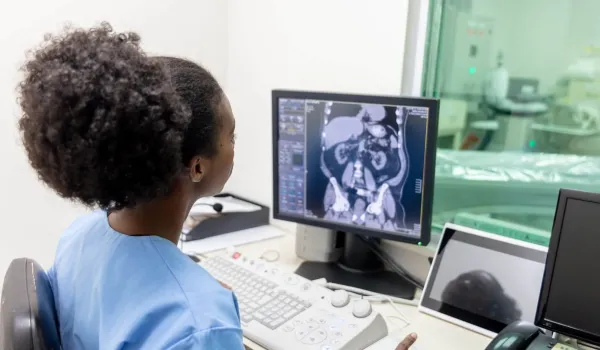
- Diagnostic Medical Sonography or Cardiovascular Sonography program for those who wish to work in sonography, creating images of the inside of the body. These associate degree programs may be completed in as little as 20 months.
Skilled Trades and Technical Programs
Skilled trades and technical programs often provide specialized, hands-on training for specialized careers. Common examples include electricians, HVAC technicians, plumbers, welders, dental hygienists, and network technicians. These programs may offer certifications or associate degrees that may be completed in as little as two years.
Business and Technology Programs
Career colleges and technical institutions offer specialized, hands-on business and technology programs designed to prepare students for rapid entry into the workforce. These training programs often emphasize practical skills, such as software proficiency, network administration, and applied business management, over theoretical research.
Service-Focused Professions
Service-focused professions at a career college are designed to prepare students for direct, hands-on roles that involve helping individuals or communities. These education programs are often accelerated, career-focused, and aimed at high-demand fields in healthcare, human services, and education. Concorde offers the following service-based healthcare education programs:
- Massage Therapy for those who wish to learn the art of massage. This diploma program may be completed in as little as 10 months.
- Pharmacy Technician for those who wish to assist pharmacists with running the day-to-day operations of a pharmacy. This training program may be completed in as few as seven to 15 months.
- Physical Therapy for those who wish to support patients on their path to recovery, under the supervision of a physical therapist. This education program may be completed in as little as 20 months.
What Students Can Expect in Training
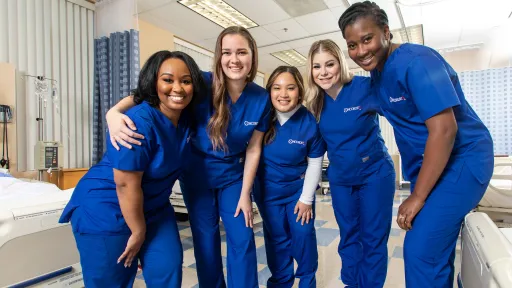
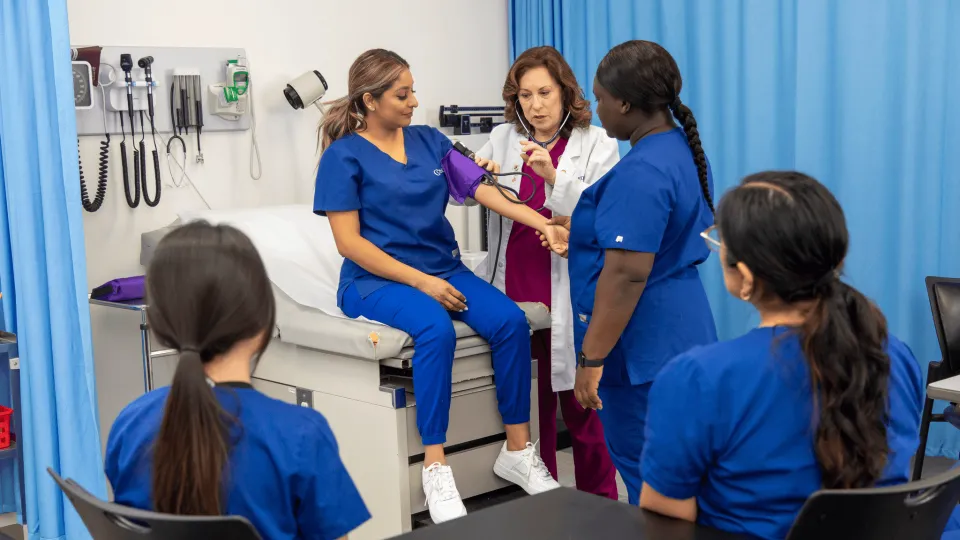
Concorde Career College focuses on providing in-depth practical experience. Students are given an opportunity to engage in hands-on lab work, clinical simulations, and externships using real equipment. Faculty often have industry experience, so they are often able to tie lessons to daily job tasks like patient interactions or diagnostic procedures. This allows them to provide thorough answers to questions based on first-hand experience. This practical approach often differs from lecture-heavy formats, helping graduates build job-relevant skills.
Frequently Asked Questions
Here are some common questions about career colleges:
How long do career college programs usually take?
Programs are designed to focus on job‑related skills through shorter, career‑focused training formats. Concorde Career College offers programs like the phlebotomy program that may be completed in as few as three months.
Do career colleges offer job preparation support?
Yes, Concorde Career College offers extensive job preparation support, focusing on equipping students with practical skills and career services that support job‑search readiness, such as résumé preparation and interview skills.
Are career college programs accredited?
Yes, always choose a career college that offers accreditation. Concorde Career College has campuses that are institutionally accredited by either the Accrediting Commission of Career Schools and Colleges (ACCSC) or the Council on Occupational Education (COE), depending on the campus location. Select programs may also hold additional programmatic accreditation. Please see specific program details for more information.
What are the funding options?
Concorde Career College may offer payment options or payment schedules for eligible students, subject to program, campus, and approval requirements. Students who qualify may have access to financial aid options, such as Federal student loans and scholarships, subject to eligibility requirements and availability.
Pursue a Career
While there are many factors to consider when choosing a healthcare career college, in the end, it comes down to finding the best fit for you. College location, course length, program curriculum, and cost are some factors to consider to help you find the right fit.
Concorde Career College includes externships and internships, along with the flexibility to pursue your diploma or degree full-time, online, or in person. If you're interested in training for healthcare‑focused roles, browse over 20 programs at Concorde. Take the first step by contacting an admissions representative today.
Make us a Preferred Source on Google
Take The Next Step Towards a Brighter Future
We have a Concorde representative ready to talk about what matters most to you. Get answers about start dates, curriculum, financial aid, scholarships and more!
Related Articles
View All
Latest Articles
View All