
Concorde Staff



Every day, pediatric physical therapy assistants help children, from babies to teenagers, build strength, improve mobility and coordination, and reach milestones that many families once thought were out of reach. The work is hands-on and deeply rewarding. According to the Bureau of Labor Statistics, physical therapy assistant roles are projected to grow 16% from 2024 to 2034, which is faster than the average for all occupations. This guide provides a clear roadmap for how to enter this field, including the education, licensing requirements, and essential skills that set successful pediatric PTAs apart.
What Is a Pediatric Physical Therapy Assistant?
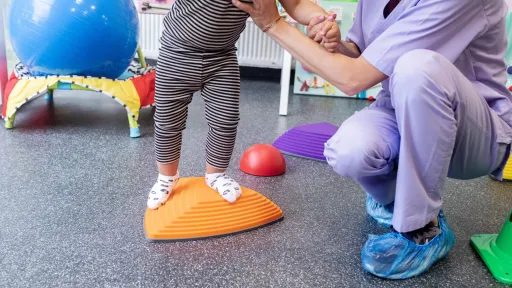
A pediatric PTA is a health care professional who works closely with children and adolescents to help them build muscle strength, mobility, and coordination. Under the supervision of a licensed physical therapist, pediatric PTAs create treatment plans that help address a wide range of physical conditions or challenges. Their patients may be as young as newborns or as old as young adults. PTAs play a vital role in the care team, especially for children with developmental delays, injuries, or chronic illnesses. They rely on targeted exercises, therapeutic activities, and specialized equipment to help children reach important milestones.
The work often involves creative problem-solving and adapting techniques for each child's unique abilities. Pediatric PTAs work in children's hospitals, outpatient clinics, health centers, and schools. In fact, about 72% of PTAs work in hospitals or privately owned outpatient practices. Their day-to-day responsibilities include:
- Assessing patient progress and reporting any changes to the supervising physical therapist
- Assisting with prescribed exercise programs that help children improve their strength and flexibility
- Performing hands-on therapy to address muscle tone, balance, and coordination
- Teaching families how to continue therapy safely at home
- Using therapeutic equipment such as balance boards, resistance bands, and adaptive devices
- Monitoring patient development to ensure they meet specific therapy goals
Pediatric PTAs commonly work with children diagnosed with:
- Autism spectrum disorder
- Cerebral palsy
- Developmental delays
- Down syndrome
- Spina bifida
- Sports injuries
- Genetic disorders
- Musculoskeletal issues
By supporting children through their physical challenges, pediatric PTAs help them participate more fully in daily life, school, and play. The role requires compassion, adaptability, and a strong commitment to helping these young patients achieve their best possible outcomes.
Read More: What Do Physical Therapist Assistants Do?
How To Train as a Pediatric PTA
Pursuing a career as a pediatric PTA starts with the right education. Aspiring pediatric PTAs must complete an associate's degree program in physical therapy assisting that's accredited by the Commission on Accreditation in Physical Therapy Education (CAPTE). This accreditation ensures the program meets national standards and qualifies graduates to take the licensing exam.
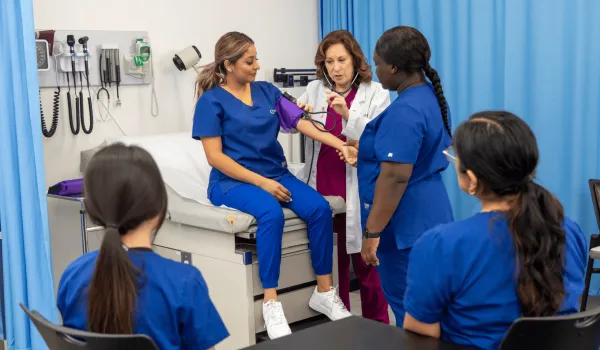
Most PTA programs take about two years, or five semesters, to finish. Concorde Career College offers a CAPTE-accredited Physical Therapist Assistant Associate Degree program at select campuses that can be completed in as little as 20 months. The curriculum is a combination of classroom learning and hands-on clinical experience. This program includes foundational courses in anatomy, physiology, and kinesiology. Some programs also offer pediatric-specific coursework to prepare students to work with children with unique developmental and physical needs. Please check with your local campus for program availability.
After completing the associate's degree, graduates must take and pass the National Physical Therapy Examination for PTAs. The next step is to obtain state licensure, which may have additional requirements depending on the state. Choosing an accredited program and gaining real-world clinical experience is essential for anyone hoping to make a difference in pediatric physical therapy. For more details on program requirements and accreditation, the American Physical Therapy Association can help.
Licensing and Certification for Pediatric Physical Therapy Assistants
After completing an accredited PTA associate degree program, graduates must take the next step- earning a license to practice. Every U.S. state requires PTAs, including those specializing in pediatrics, to be licensed or certified. The process starts with passing the NPTE. This challenging exam has 250 multiple-choice questions that need to be answered within five hours.
Licensing requirements can vary by state, so it's important to check the specific regulations for a certain state. Some states may require background checks, jurisprudence exams, or continuing education before they grant or renew a license. The APTA provides a helpful overview and links to state-specific licensing boards.
After getting their initial license, PTAs can pursue advanced training and certifications to further develop their expertise. Continuing education isn't just a requirement for license renewal; it's essential. It helps PTAs stay up to date with best practices and new research in pediatric physical therapy. States typically require PTAs to complete a set number (usually 12-30) of continuing education hours per renewal cycle. This ensures that PTAs can provide the highest quality care as treatments and technology continue to evolve.
Read More: Difference Between Occupational and Physical Therapy Assistant
Essential Skills for Pediatric PTAs
Successful pediatric PTAs need technical expertise and strong interpersonal skills. Working with children makes patience and empathy essential. Kids may be scared, frustrated, or uncooperative at times. Being able to communicate clearly and kindly with both children and their families can make a big difference. Stamina and dexterity are also critical because of the physical demands of the job. Pediatric PTAs will often help children with their exercises. They use specialized equipment and hands-on therapy that requires strength and precision.
Problem-solving skills come into play as well because every child's needs and developmental stages are different. Graduates must adapt their treatment approaches on the go to keep each therapy session effective and engaging. Collaboration is another key skill, as pediatric PTAs work closely with other health care professionals, such as physical therapists, occupational therapists, speech therapists, and doctors. Being a team player helps ensure children get the best possible support. Specialized techniques pediatric PTAs use include:
- Aquatic therapy, which uses water resistance and buoyancy to improve strength and mobility
- Balance activities to improve the child's coordination and stability
- Developmental activities tailored to each child's growth stage
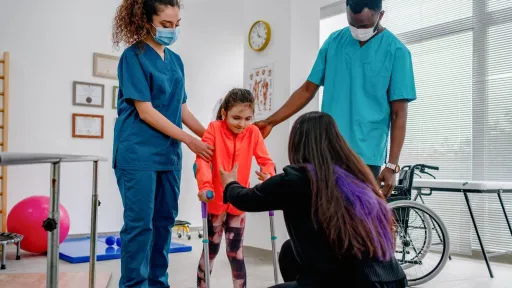
- Gait training to improve walking patterns
- Sensory integration therapy, which helps children process sensory information better
- Neurodevelopmental treatments that help improve motor control and function
These skills, alongside compassion and communication, help pediatric PTAs to make a real difference in children's lives.
Career Outlook and Advancement Opportunities

The career outlook for pediatric physical therapy assistants is bright, with demand projected to keep rising over the next decade. The U.S. Bureau of Labor Statistics projects employment for physical therapist assistants to grow, with about 25,800 openings projected each year, on average, over the next decade. These openings are available because of current health care professionals changing careers or retiring from the workforce.
Pediatric PTAs have several options when it comes to career advancement. Some choose to specialize in specific pediatric conditions, such as cerebral palsy or autism spectrum disorder, expanding their expertise with continuing education or certifications. Others decide to return to school for additional education to train for careers as licensed physical therapists, opening the door to greater responsibility once specific requirements are met.
The work itself is deeply rewarding. Pediatric PTAs help children gain independence, improve their quality of life, and reach milestones that matter to families. Every session offers a chance to make a real difference, not just in physical ability but in confidence and participation at home and school.
New technologies are also changing the future of pediatric rehabilitation. Virtual reality therapy is making sessions more engaging by gamifying repetitive exercises, which encourages children to participate more consistently. Robotic-assisted therapy is another innovation. It can help correct gait patterns, increase range of motion, and strengthen muscles. These devices also provide real-time feedback, allowing therapists and families to track progress as they go.
Multidisciplinary collaboration is a cornerstone of pediatric physical therapy. This team approach delivers a range of benefits, including:
- Improved language skills
- Improved motor function
- Better overall quality of life
- Higher attendance at school
- Fewer pain-related fears
Training for a Successful Pediatric PTA Career
When health care professionals work together, children can receive more comprehensive care, and families see better outcomes. For those drawn to a career where you can see the impact of your work every day, pediatric physical therapy assisting offers both stability and purpose. If you're looking to work in a truly rewarding field, Concorde offers a physical therapist assistant training program you can complete in as little as 20 months, after which you may choose to pursue a specialization in pediatric physical therapy assisting after entering the field. Contact an admissions representative to find out more about our PTA program.
Frequently Asked Questions
Here are some common questions about pediatric physical therapy assistants.
What are the most common conditions or injuries that pediatric PTAs treat in children?
PTAs commonly treat children with conditions such as cerebral palsy, Down syndrome, spina bifida, and other disabilities.
What are some common challenges faced by pediatric PTAs in their daily work?
One of the most common challenges for PTAs is connecting with children who have limited communication abilities, especially those with neurological disorders.
How do pediatric PTAs collaborate with other health care professionals in a multidisciplinary team?
In a multidisciplinary pediatric team, PTAs collaborate with various health care professionals, including physical therapists, occupational therapists, speech therapists, and other specialists. They work together to assess, plan, and implement individualized treatment plans for children with diverse needs to give them the highest possible level of care.
U.S. BUREAU OF LABOR STATISTICS. (2019, September 4). Physical Therapist Assistants and Aides : Occupational Outlook Handbook: : U.S. Bureau of Labor Statistics. Bls.gov. https://www.bls.gov/ooh/healthcare/physical-therapist-assistants-and-aides.htm
American Physical Therapy Association. (2024). Becoming a Physical Therapist Assistant. APTA. https://www.apta.org/your-career/careers-in-physical-therapy/becoming-a-pta
Physical Therapist Assistant. (2024). Concorde Career Colleges. https://www.concorde.edu/patient-care-programs/physical-therapist-assistant
American Physical Therapy Association. (2019). APTA. Apta.org. https://www.apta.org/
About PT and PTA Licensure. (2020, May 1). APTA. https://www.apta.org/your-practice/licensure/pt-and-pta-licensure
Take The Next Step Towards a Brighter Future
Interested in learning more about our Physical Therapist Assistant program?
We have a Concorde representative ready to talk about what matters most to you. Get answers about start dates, curriculum, financial aid, scholarships and more!
Related Articles
View All


Latest Articles
View All