

Concorde Staff



Dental hygienists remove plaque and tartar from teeth, which reduces cavities and gum disease. They also offer preventive treatments, such as fluoride and teeth whitening. This guide explores the top recommended dental hygienist skills, career outlook, and common FAQs.
What Do Dental Hygienists Do?
Dental hygienists are health care professionals that take care of patient's oral health. Over 90% of them work in dental offices, and a smaller number work in doctor's and government offices. Their main responsibilities may include:
- Examining patients for signs of oral diseases
- Providing preventive dental care
- Cleaning teeth and removing plaque, tartar, and stains
- Taking and developing dental x-rays
- Applying fluoride treatments and sealants
- Providing tooth whitening treatments
- Educating patients on proper oral hygiene techniques
- Documenting patient care and treatment plans
- Assisting dentists during procedures
Dental hygienists work closely with dentists but also have a high degree of independence in many of their duties.
Related: Day in the Life of a Dental Hygienist
Essential Skills for Dental Hygienists
Successful dental hygienists have the following key skills:
Clinical Skills and Knowledge
Dental hygienists have strong clinical skills and knowledge of dental health, including:
- Proficiency in dental cleaning techniques and use of dental instruments
- Knowledge of oral anatomy and dental conditions
- Understanding of infection control procedures
- Ability to take and interpret dental x-rays
- Familiarity with dental materials and procedures
Dental hygienists develop these skills during their formal education and hands-on training program in dental hygienist school. Dental hygienists typically need an associate degree in dental hygiene, with programs usually taking three years to complete. Concorde Career College offers a Dental Hygiene Associate Degree Program that can be completed in as little as 18 months, depending on campus location. Program length may vary based on state requirements.
Communication Skills
Dental hygienists work directly with patients and dentists, so they need strong communication skills. They must be able to explain different procedures and oral health concepts to patients clearly. They also need good listening skills to understand their patients' concerns and needs. Communication skills help them educate their patients on the best oral hygiene techniques, building trust with patients and providing the best quality care.
Manual Dexterity and Fine Motor Skills
Dental hygienists work with their hands, so they need good manual dexterity and fine motor skills. They often need to use very small dental instruments in the small space of a patient's mouth. They must perform delicate procedures while keeping their patients comfortable. Hand-eye coordination is also important for tasks such as scaling and root planing, while steady hands are essential for administering local anesthetics or taking x-rays. Dental hygienists develop these skills through practice and experience.
Interpersonal Skills and Empathy
Working with patients requires empathy and strong interpersonal skills to build rapport and trust. Compassion and understanding also go a long way to put anxious patients at ease. Dental hygienists must be patient, especially when working with children or seniors. Being culturally sensitive and able to work with other dental professionals can make all the difference.
Attention to Detail and Observational Skills
Attention to detail and observational skills are crucial for dental hygienists. They must be able to detect even the most subtle signs of oral health issues and provide guidance and treatment. They also need to document patient information and treatment plans carefully. Acute observational skills also come in handy when monitoring patients during procedures to ensure they're comfortable and at ease. Attention to detail helps dental hygienists be thorough when cleaning all surfaces of a patient's teeth and gums. They must follow specific rules and protocols to help dentists diagnose and treat patients.
Time Management and Organizational Skills
Time management and organization are fundamental skills for dental hygienists. They need to manage patient appointments efficiently, prioritize tasks, and balance multiple responsibilities. Staying organized and keeping up-to-date patient records are vital. Dental hygienists need to adapt quickly to schedule changes and unexpected situations. These skills help them provide quality care while maintaining a smooth-running practice.
Critical Thinking and Problem-Solving Skills
Critical thinking and problem-solving skills are vital for dental hygienists. They should assess patient needs and create appropriate treatment plans. They need to be able to recognize potential oral health issues and decide on the best course of action based on individual patient needs. In emergency situations, they must make quick decisions. In short, they're continually evaluating and looking for ways to improve patient care practices. These skills allow dental hygienists to provide personalized, effective care to each patient.
Developing and Improving Dental Hygienist Skills
Most required skills of a dental hygienist are developed throughout a formal education and training program. Concorde offers a Dental Hygiene Associate Degree Program that teaches core skills such as how to clean teeth, examine patients, and take and develop x-rays. Hands-on clinical experience is vital for preparing students for the role.
For working dental hygienists, there is always room to improve. Professionals may consider asking colleagues and mentors for honest feedback and practicing self-reflection and continual improvement. Building these skills is an ongoing process that will continue throughout a dental hygienist's career. All states in the U.S. require dental hygienists to have a license; requirements vary by state. Continuing education opportunities and professional development courses help them stay up to date on new technologies and best practices in dental hygiene.
Related: The Essential Qualities That Define a Successful Dental Hygienist
Career Outlook for Dental Hygienists
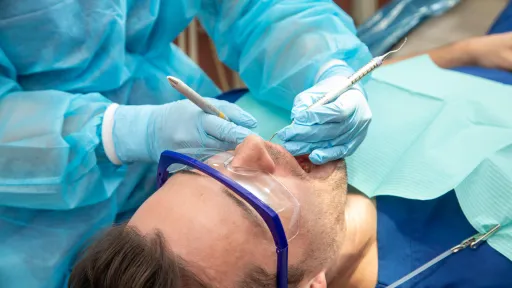
The career outlook for dental hygienists is strong. The Bureau of Labor Statistics projects jobs will grow by 7% from 2024-2034, much faster than the average for other occupations. Approximately 15,500jobs are expected to be available each year across the decade, offering strong growth and demand for dental hygienists. This is linked to an aging population and an increased awareness of the importance of dental hygiene.
COVID-19 also had a major impact on the profession, highlighting a dire need for infection control protocols and boosting teledentistry as an option. For those who want to succeed, developing a strong skill set may improve career prospects and job satisfaction. They can specialize in periodontics, orthodontics, endodontics, prosthodontics, or oral and maxillofacial surgery. Regardless of the specialty, the field offers competitive compensation.
Conclusion: The Importance of Dental Hygienist Skills

Aspiring dental hygienists should focus on building a strong skill set. Strong technical skills, communication, and attention to detail can improve patient care and career growth. Dental hygiene is an industry that's continually evolving. So, even if you're already working in dental hygiene, it's important to continue honing your skills throughout your career. It's important to be adaptable and open to feedback. If you're interested in pursuing training in dental hygiene, contact us for more information on our Dental Hygiene Associate Degree Program. Mastering these essential skills can lead to a rewarding and impactful career in dental hygiene.
Frequently Asked Questions
Here are some frequently asked questions about a career in dental hygiene:
How Has the Role of Dental Hygienists Evolved in Recent Years?
In recent years, the role of a dental hygienist has grown and expanded. Now, it's not just routine cleanings but also broader patient care, education, and practice growth.
What Are the Most Common Challenges Faced by Dental Hygienists in Their Daily Work?
The most common challenges include managing physical discomfort, working long hours, and dealing with difficult or demanding patients. Dental hygienists may also struggle with burnout.
How Do Dental Hygienists Typically Collaborate With Dentists and Other Dental Professionals?
Dental hygienists and dentists work together to assess, treat, and educate patients about their oral health. Hygienists often perform preventive care, while dentists provide restorative and diagnostic treatments.
What Are the Latest Technological Advancements in Dental Hygiene Tools and Equipment?
Laser dentistry, intraoral cameras, and digital impressions are just a few of the latest advancements.
How Do Dental Hygienists Address Patient Anxiety and Fear During Dental Procedures?
Dental hygienists may use open communication and relaxation techniques or even explore options such as sedation when necessary.
What Are the Most Effective Techniques for Educating Patients About Oral Hygiene?
Visual aids and hands-on demonstrations are some of the best ways to teach patients about oral hygiene. Hygienists may use models, pictures, or videos to show them how to brush and floss correctly.
How Do Dental Hygienists Maintain Their Manual Dexterity and Fine Motor Skills Throughout Their Career?
Dental hygienists should continue to practice specific techniques and use strengthening exercises to take care of their hands.
What Are the Key Factors Contributing to Job Satisfaction Among Dental Hygienists?
A good work/life balance, helping patients, and a competitive salary make dental hygiene roles appealing.
How Do Dental Hygienists Stay Updated on the Latest Research and Best Practices in Oral Health?
Dental hygienists stay updated on the latest oral health research and best practices with ongoing education and professional development. They may use professional journals, online learning platforms, and continuing education courses.
What Are the Most Common Specializations or Areas of Focus for Experienced Dental Hygienists?
Experienced dental hygienists often pursue specializations in areas such as periodontics (gum disease), pediatrics (child dentistry), or public health. They may also move into roles in education, research, or practice management.
Dental Hygienists : Occupational Outlook Handbook: : U.S. Bureau of Labor Statistics. (2019, September 4). Bls.gov. https://www.bls.gov/ooh/healthcare/dental-hygienists.htm#tab-3
Dental Hygienists : Occupational Outlook Handbook: : U.S. Bureau of Labor Statistics. (2019, December 6). Bls.gov. https://www.bls.gov/ooh/healthcare/dental-hygienists.htm#tab-4
Take The Next Step Towards a Brighter Future
Interested in learning more about our Dental Hygiene program?
We have a Concorde representative ready to talk about what matters most to you. Get answers about start dates, curriculum, financial aid, scholarships and more!
Related Articles
View All


Latest Articles
View All