Concorde Staff


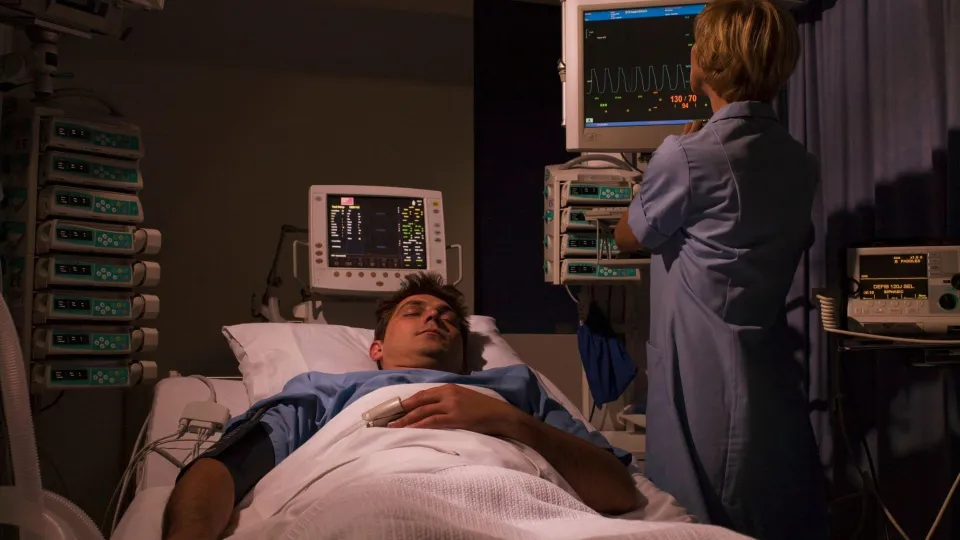
Polysomnographers are trained health care professionals who specialize in monitoring sleep patterns and physiological activity. They assess disorders such as sleep apnea (a condition affecting 1+ billion people), narcolepsy, and chronic insomnia. As the need for sleep medicine grows, so does the need for skilled technologists who provide clinical accuracy for better patient care.
What Does a Polysomnographer Do?
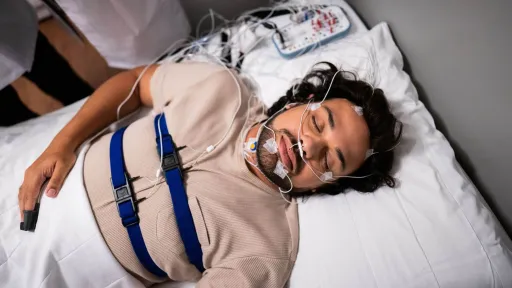
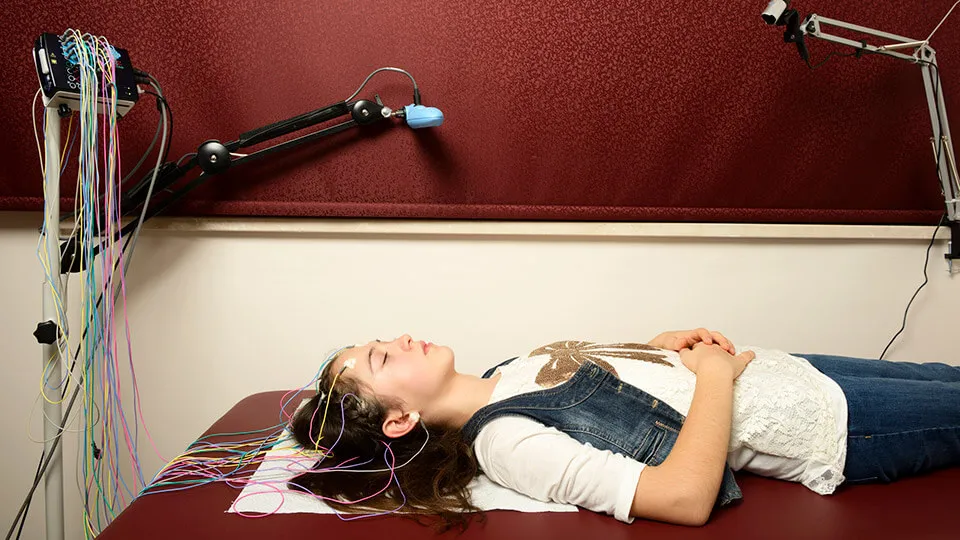
Often called sleep technologists or PSG techs, polysomnographers are key contributors to sleep medicine studies. Their primary responsibility is to conduct overnight sleep studies called polysomnograms. These studies help evaluate and diagnose sleep disorders. While patients sleep, polysomnographers stay alert and monitor data streams from sensors that track metrics related to brain activity and breathing effort.
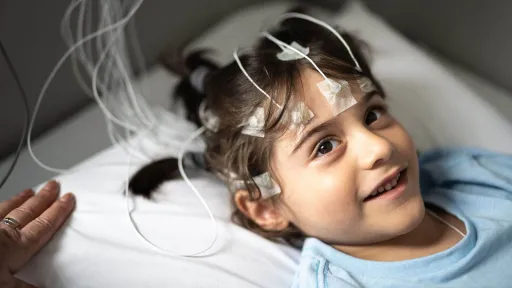
First, they prepare the environment and explain the procedure to the patient. They attach monitoring leads using a standardized 10-20 electrode placement system. Once the study is underway, they observe physiological signals in real time. The goal is to spot abnormalities such as breathing pauses, sudden limb movements, or irregular heart rhythms.
After the session concludes, sleep technologists annotate the data and generate a report for the interpreting physician. Overall, the job is highly observational and data driven. Here are some data points in polysomnography reports:
- Electroencephalogram (brain activity)
- Electrooculogram (eye movement)
- Electromyography (muscle tone)
- Electrocardiogram (heart rate)
- Oxygen saturation
- Respiratory effort and airflow
- Sleep position and audio monitoring (e.g., snoring, gasping)
These readings help clinicians identify more than 100 types of sleep disorders. Some common ones include:
- Obstructive and central sleep apnea
- Rapid eye movement sleep behavior disorder
- Narcolepsy
- Periodic limb movement disorder
- Chronic insomnia
- Sleepwalking and night terrors
Patients may arrive nervous and unsure of what to expect. The polysomnographer helps by explaining the process in plain language and reassuring them throughout the night.
Education and Training Requirements for Polysomnography
Polysomnographers must learn more than just how to attach sensors; they should also understand sleep science and how to apply it to interpret complex physiological data. Most technologists enter this field through formal education programs with classroom instruction and hands-on clinical experience.
Coursework often includes anatomy and physiology, sleep staging, patient safety, infection control, and technology labs where students may learn to operate digital PSG systems. Here are a few academic solutions to train as a sleep technologist:
- Certificate/diploma programs: These focused tracks often take 8-12 months to complete and are designed for those looking to enter the field in a shorter amount of time. They typically cover core subjects such as sleep physiology, patient prep, equipment calibration, and sleep disorder identification.
- Associate degree programs: These programs are usually completed over two years and may be part of a broader allied health curriculum. Some examples can be respiratory care or electroneurodiagnostic technology, with a concentration in polysomnography.
- Specialty add-on tracks: These are ideal for those already enrolled in respiratory therapy or electroneurodiagnostic programs. Note that some schools offer a polysomnography concentration or elective modules focused on sleep diagnostics.
Clinical Training and Externships
Hands-on experience can help students become competent technologists. Accredited programs may include externships at sleep centers accredited by the American Academy of Sleep Medicine, where students assist with real patient studies under supervision. During these rotations, they may become familiar with different sleep orders and learn how to troubleshoot relevant equipment.
After completing an accredited program, graduates can pursue professional certification through the Board of Registered Polysomnographic Technologists. The two main credentials are:
- Certified Polysomnographic Technician: An entry-level credential for those beginning their careers. It's valid for three years and is often the first step toward full registration.
- Registered Polysomnographic Technologist: A more advanced certification with industry-wide recognition. It requires having clinical experience and passing a comprehensive exam.
Candidates may also complete the Accredited Sleep Technologist Education option. This includes an 80-hour introductory course and 18 online modules to grow foundational knowledge. As of July 2025, there are 52 accredited programs in the U.S., including standalone programs, respiratory therapy programs with a PSG track, and electroneurodiagnostic courses with sleep-focused electives.
Continuing Education
To maintain certification, technologists must complete continuing education credits every renewal cycle. This ensures they stay up to date with evolving standards in sleep scoring, home sleep apnea testing, and emerging technologies such as AI-assisted event detection.
Skill and Qualities of a Successful Polysomnographer
Though sleep technologies rely heavily on clinical and technical knowledge, the human element is just as important. Here are some key strengths of great polysomnographers:
- Analytical mindset: Performing sleep stage scoring, respiratory event classification, and trend recognition
- Strong communication skills: Facilitating clinical documentation and patient interaction
- Technical fluency: Navigating digital PSG software, hardware troubleshooting, and signal integrity checks
- Ability to multitask: Managing live readings across EEG, EOG, EMG, ECG, and more
- Adaptability: Accommodating night shifts, last-minute study changes, or unexpected technical issues
- Health Insurance Portability and Accountability Act awareness and basic life support certification: Handling sensitive health data and patient safety
Most importantly, polysomnographers work independently during overnight shifts, so self-motivation and attention to detail are critical. This entails monitoring multiple data channels at night and staying alert to real-time anomalies such as limb jerks or oxygen desaturation events.
A patient may arrive feeling nervous, self-conscious, or unsure of the process. A successful sleep tech reassures them with confidence and empathy. They guide them to reduce anxiety and ensure the study runs as smoothly as possible.
Documentation and general notes must also be precise to avoid delayed diagnoses or inaccurate treatment recommendations. Incorporating tech knowledge into a polysomnographer's skill set shows they're aware of digital diagnostics such as:
- AI-assisted scoring tools that help identify respiratory events and automate sleep stage classification
- Advanced PSG metrics, including arousal intensity, hypoxic burden, and cardiopulmonary coupling
- Machine learning models that support the diagnosis of disorders such as narcolepsy and help identify sleep apnea subtypes
Rather than replacing technologists, AI enhances their work. Some AI systems have demonstrated sleep staging accuracy as high as 92.6%, while tools aiding narcolepsy diagnosis show up to 96% specificity and 91% sensitivity.
Career Outlook and Opportunities for Polysomnographers
Sleep medicine has moved from the margins to the mainstream. As more research links sleep quality to chronic conditions such as heart disease, diabetes, depression, and even immune function, the need for qualified sleep technologists will only increase.
Sleep study technicians are also required to help other health professionals recognize symptoms and choose solutions. Their familiarity with conducting accurate studies and flagging disruptions in sleep architecture makes them valuable across several health settings, including:
- Accredited sleep centers
- Hospital neurology or respiratory departments
- Outpatient specialty clinics
- Dental practices offering oral appliance therapy for sleep apnea
- Telehealth companies offering home sleep apnea testing
- Research labs or academic sleep studies
Some sleep technologists choose to specialize. For example, they may focus on pediatric sleep studies or equipment training and tech support roles with diagnostic equipment manufacturers. Their career progression may include:
- Lead sleep technologist or lab supervisor roles
- Clinical educator or onboarding specialist for new techs
- Roles in sleep medicine research or academic training programs
The COVID-19 Effect
The COVID-19 pandemic caused temporary shutdowns in many sleep labs and non-urgent services. Some technologists were reassigned to other hospital departments, while others worked reduced hours. However, the disruption still inspired plenty of innovation in sleep care delivery, including:
- Increased adoption of home-based testing kits, especially for patients at higher risk in clinical settings
- Greater use of telemedicine to consult with board-certified sleep physicians
- Development of virtual scoring platforms, allowing technologists to score studies remotely
- More rigorous safety protocols, including patient screening, sanitation procedures, and personal protective equipment usage
These changes have made sleep diagnostics more flexible and accessible and have expanded the role of sleep technologists beyond traditional labs.
Conclusion
Although not always in the spotlight, polysomnographers help diagnose sleep disorders that can go undetected for years. Their fluency in merging clinical observation with technology and compassionate care makes them high-value members of health care teams.
This field is suitable for individuals who appreciate the power of data. Whether guiding someone through their first sleep study or helping a physician pinpoint a diagnosis, polysomnographers work at the junction of science, precision, and patient care.
Concorde Career College offers a Polysomnographic Technology Diploma Program that can give you the opportunity to prepare for a technologist's role in as little as 8 months. This program is available at select campuses; please check with your local campus for availability.
Verma, R. K., Dhillon, G., Grewal, H., Prasad, V., Munjal, R. S., Sharma, P., Buddhavarapu, V., Devadoss, R., Kashyap, R., & Surani, S. (2023). Artificial intelligence in sleep medicine: Present and future. World Journal of Clinical Cases, 11(34), 8106–8110. https://doi.org/10.12998/wjcc.v11.i34.8106
Formal Accredited Programs – Board of Registered Polysomnographic Technologists. (n.d.). https://www.brpt.org/learn/formal-accredited-programs/
Lim, D. C., Mazzotti, D. R., Sutherland, K., Mindel, J. W., Kim, J., Cistulli, P. A., Magalang, U. J., Pack, A. I., de Chazal, P., & Penzel, T. (2020). Reinventing polysomnography in the age of precision medicine. Sleep Medicine Reviews, 52, 101313. https://doi.org/10.1016/j.smrv.2020.101313
Take The Next Step Towards a Brighter Future
Interested in learning more about our Polysomnographic Technology program?
We have a Concorde representative ready to talk about what matters most to you. Get answers about start dates, curriculum, financial aid, scholarships and more!
Related Articles
View All

Latest Articles
View All