
Concorde Staff


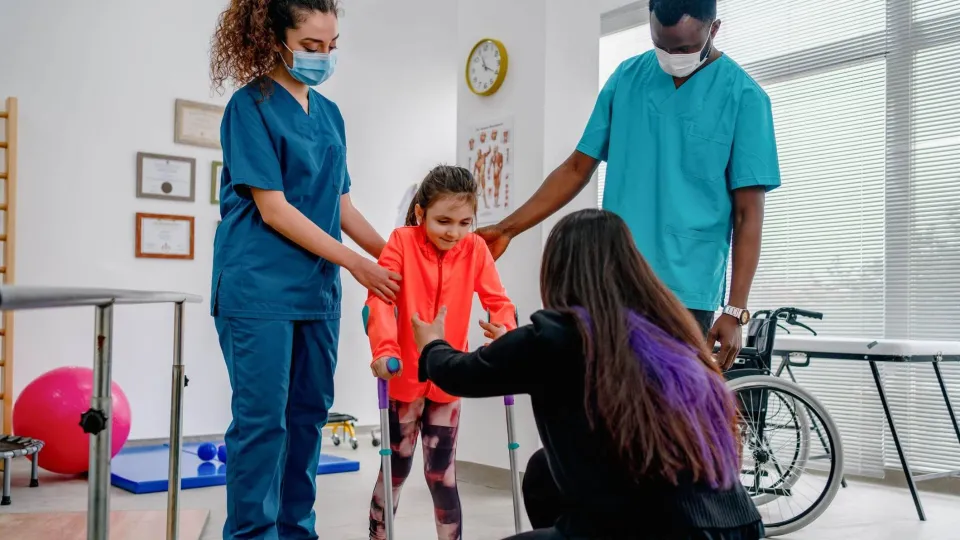
One of the key benefits of being a physical therapist assistant (PTA) is the flexibility to work in a variety of settings, each of which has its own specific patient demographic, focus, and niche, which may appeal to some people more than others. While the majority of PTAs work in outpatient clinics and hospitals, many others work in schools, home settings, or rehabilitation units. Understanding the different work settings, who they generally work with, and what they involve may help prospective PTAs decide their preferred focus of work to pursue after graduation.
Where Do Physical Therapist Assistants Work?
PTAs work most commonly in offices of physical, occupational, and speech therapists, and audiologists (66%) and hospitals (17%) [1]. Other primary work environments include skilled nursing facilities, home healthcare services, and offices of physicians, often in urban areas with high demand. Here's a closer look at the top settings, including typical PTA activities.
Hospitals
A total of 17% of physical therapy assistants work in hospitals. Here, they offer short-term patient care for patients admitted for various conditions. PTAs form a part of a wider healthcare team that supports the patient's recovery following an illness, surgery, accident, or trauma. PTAs working in a hospital may:
- Implement treatment plans
- Perform therapeutic and mobility exercises and gait training
- Show patients how to use mobility devices
- Document patient progress
PTAs in a hospital may work in shifts and are supervised directly by on-site physical therapists.
Outpatient Rehabilitation Centers
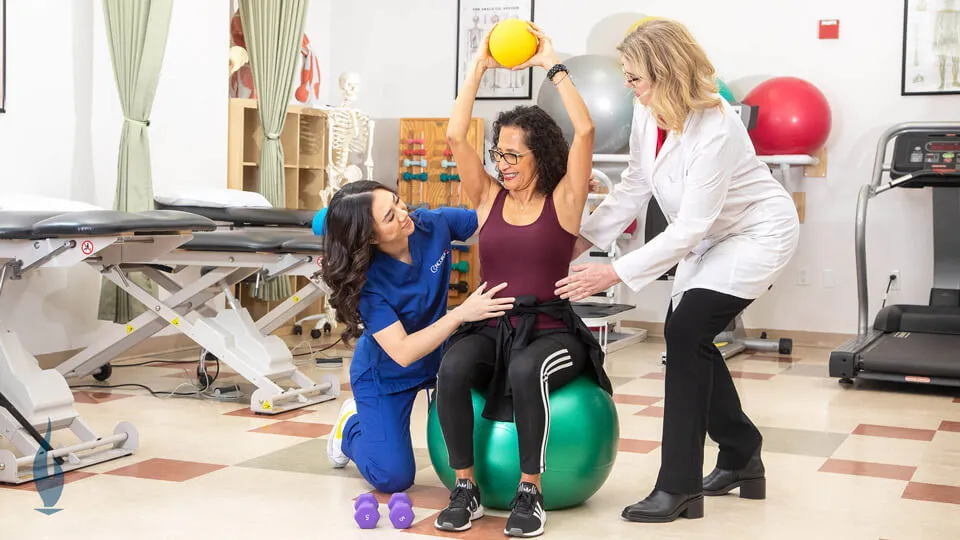
The majority (72%) of PTAs work in a doctor's office, physical therapist office, or in occupational and speech therapist or audiologist centers. These centers are designed to provide intense or less intense therapy for patient recovery on an outpatient basis until they can take care of themselves. This may involve supporting patients after they have been discharged from the hospital or providing support with ongoing ailments, injuries, or impairments, such as sprains or post-surgery recovery.
PTAs may:
- Guide patients through strengthening exercises
- Support with ultrasound setups
- Guide patients through balance activities
- Educate patients on home exercises
They may work more regular daytime hours than PTAs in hospital settings, with PTAs checking in regularly with their supervising physical therapists. Other options include rehabilitation hospitals or sub-acute rehab centers, which provide less intense rehab.
Long-Term Care and Skilled Nursing Facilities
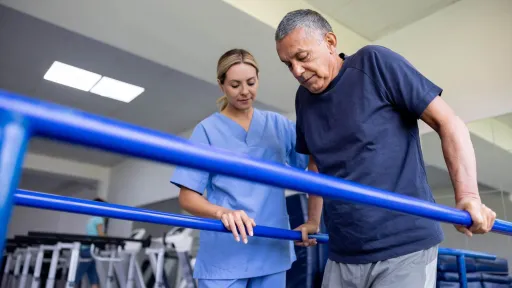
A smaller percentage (2%) of PTAs work in nursing care facilities. These centers provide long-term care and rehabilitation for elderly patients or support them in the last phases of incurable diseases. The goal is to help them maintain functional abilities for as long as possible and manage pain. Daily tasks may involve:
- Run group exercise classes
- Offer tips for preventing falls
- Support with bed-to-chair transfers
- Help with devices and equipment, such as walkers [2]
PTAs working in these types of settings may expect standard working hours during the week, with close collaboration with physical therapists.
Home Health Settings
Some PTAs may work in the patient's home, where physical therapy is provided at their place of residence. While PTAs have reported that the majority (75%) of patients are senior citizens [3] in need of age-related support, there are also pediatric patients with developmental disabilities. There are other conditions and individuals of all ages who may need rehab because of an injury or other causes. PTAs may travel to the patient's home to deliver therapy, and involve:
- Adapting exercises to real-life spaces, such as a patient's living room or garden
- Teaching patients and caregivers proper body mechanics
- Supporting with stairs or walking at home
Home care is often a convenient solution for those patients who may have limited mobility or who don't have easy access to community-based care. Some physical therapists may also provide services in their own home, a caregiver's home, a group home, or elsewhere in the community. PTAs working in home settings may expect more flexible schedules, following plans set by a supervising physical therapist, often via telehealth.
Read More: How To Become a Physical Therapist Assistant
School Systems
Some physical therapist assistants may work in schools, including pre-school, elementary, or secondary education facilities. Here, they may work with children with developmental delays or injuries, helping them join physical education classes or get around the school. Tasks may involve:
- Playground mobility drills
- Classroom adaptations to support easier access and learning
- Advocating and collaborating with school staff
PTAs working in schools may expect more predictable working hours, under the direct supervision of school- or work-based physical therapists.
Sports and Fitness Settings
Physical therapy is an important part of any fitness regimen. PTAs may work at gyms or sports facilities to support athletes in injury rehabilitation or strengthening and conditioning. The focus is on preventing illness, recovering after injuries, and promoting a healthy lifestyle. PTAs may:
- Lead warm-ups
- Support with taping
- Provide preventative stretches
Hours may vary depending on the specific institution and involve supervision for safe and effective sessions.
Community Health and Wellness Programs
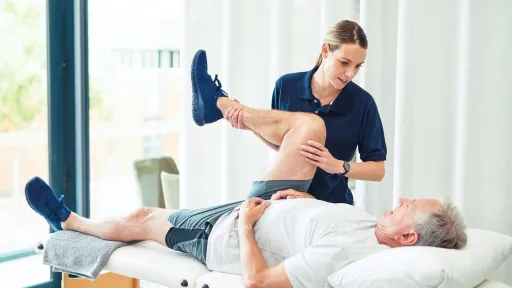
Similar to sports and fitness settings, PTAs in community health or wellness programs are employed to prevent illness and promote a healthy lifestyle. They may work in community centers, spas, or clinics. PTAs may:
- Run group classes or offer fun
- Teach accessible exercises to promote healthy aging
- Provide advice on fall prevention
These roles are often flexible, offering part-time work, and are always guided by a physical therapist.
Read More: From Patient to PTA: How Krystal's Injury Inspired a Rewarding PTA Career
Government Settings (Local, State, Federal, and Military)
A total of 2% of PTAs are employed in state or federal government positions. This may include working with civilians or military personnel in VA hospitals, public health centers, or government rehabilitation programs. PTAs here may:
- Assist veterans with prosthetic training after an injury
- Carrying out treatment plans provided by a PT
- Observing and recording response to treatment and any changes to the PT
- Patient education on safe home exercises
Many roles may involve standard weekday hours, with clear supervision from a physical therapist.
Research Center
An important part of physical therapy is continual improvement. Some PTAs may choose to work in a research center and work alongside physical therapists and other professionals to:
- Conduct research on new therapies by creating protocols
- Collect data on patient outcomes
- Help with experimental exercises
The goal is to support the body of knowledge in the field of physical therapy and improve patient care outcomes. Hours are often standard, with PTAs under the supervision or guidance of other physical therapists or medical personnel.
Common Questions About PTA Work Environments
Here are some common questions about working as a PTA:
What does a typical day as a PTA look like?
PTAs usually work a 40-hour week, often in outpatient settings or hospitals, helping patients with therapeutic exercises and monitoring progress. Some may work flexible hours, shifts, or part-time.
Is travel expected for a PTA role?
Yes, PTAs working in home health or community roles may be expected to travel daily.
What are the key responsibilities of a PTA?
Responsibilities include following treatment plans developed by a PT, performing gait training, administering, and documenting patient progress.
What working hours are expected for a PTA role?
PTAs working in hospitals may work in shifts, while working in clinics and schools offers 9-5 stability. Part-time is common everywhere.
Is the role physically demanding?
Yes, PTAs are often on their feet for long hours, helping with patient transfers and exercises, which require high physical strength and stamina.
Can I specialize as a PTA?
Absolutely. Students may choose to specialize in one of eight fields they're interested in, such as pediatrics, acute care, cardiovascular and pulmonary, geriatrics, neurology, oncology, wound management, and orthopedics [4].
Pursue a Career as a PTA Today with Concorde Career College
Pursuing a career as a PTA may lead to a rewarding career in healthcare with a projected 16% growth in job demand from 2024 to 2034 [5]. Ready to explore PTA programs? Concorde Career College offers a Physical Therapist Assistant Associate Degree Program that may be completed in as little as 20 months. This program offers the chance to pursue hands-on training that may prepare students for these dynamic roles. Take the first step by contacting an admissions representative today.
Footnotes
1. "Physical Therapist Assistants and Aides", U.S Bureau of Statistics, https://www.bls.gov/ooh/healthcare/physical-therapist-assistants-and-aides.htm#tab-3
2. "What Physical Therapist Assistants and Aides Do", U.S Bureau of Statistics, https://www.bls.gov/ooh/healthcare/physical-therapist-assistants-and-aides.htm#tab-2
3. "Knowledge and Use of Evidence-Based Programs for Older Adults in the Community: A Survey of Physical Therapy Professionals", National Library of Medicine, https://pmc.ncbi.nlm.nih.gov/articles/PMC9911552/
4. "PTA Advanced Proficiency Pathways", American Physical Therapy Association, https://www.apta.org/for-ptas/pta-advanced-proficiency-pathways
5. "Job Outlook", U.S Bureau of Statistics, https://www.bls.gov/ooh/healthcare/physical-therapist-assistants-and-aides.htm#tab-6
Take The Next Step Towards a Brighter Future
Interested in learning more about our Physical Therapist Assistant program?
We have a Concorde representative ready to talk about what matters most to you. Get answers about start dates, curriculum, financial aid, scholarships and more!
Related Articles
View All


Latest Articles
View All