
Concorde Staff



If students want to work in the health care industry but also value variety and flexibility, becoming a traveling medical assistant is a career path they might consider. Unlike traditional health care professionals, traveling medical assistants typically move from one short-term assignment to another, exposing them to various situations and medical settings. We explore the specific requirements, including skills and educational credentials, to become a traveling medical assistant.
What Is a Traveling Medical Assistant?
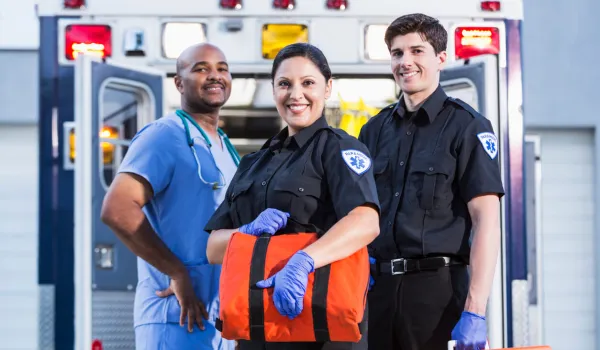
A traveling medical assistant performs the tasks and duties of a medical assistant on short-term contracts and in various locations, such as outpatient clinics, urgent care centers, hospitals, specialty practices, retirement communities, and chiropractic offices. They commonly work in medical institutions to cover temporary staffing shortages resulting from employees taking leave for medical or personal reasons. They generally perform clinical and administrative tasks, with their exact work duties depending on the hiring institution and their level of training. Here are common tasks that traveling medical assistants regularly perform.
Clinical Tasks
Traveling medical assistants often have clinical responsibilities, based on their level of training and expertise, including:
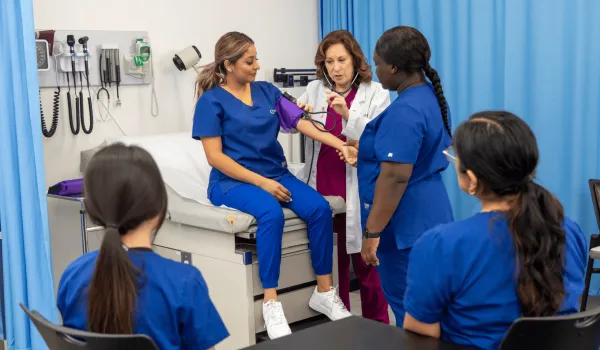
- Taking patient vital signs: One of the most common tasks for traveling medical assistants is to measure patient vital signs, including blood pressure, pulse, temperature, and respiration rate. They also document their measurements, helping other medical professionals to make informed diagnoses.
- Assisting medical providers during procedures: Traveling medical assistants assist health care professionals during medical examinations or minor procedures. They handle instruments, monitor patient conditions, and ensure sterile environments.
- Preparing patients for examinations: They prepare patients for procedures by explaining the processes and providing emotional comfort.
- Collecting samples from patients: Some traveling medical assistants collect blood, urine, or other samples from patients. They ensure they handle and label all samples correctly.
- Administering medications and injections to patients: Depending on state laws and individual certifications, some traveling medical assistants may give patients their required medications and administer injections or vaccines.
Administrative Tasks
Traveling medical assistants also perform various administrative duties, including:
- Managing patient appointment schedules and other front desk duties: Some traveling medical assistants work as front office managers in medical institutions. They schedule patient appointments, answer phones and emails, and greet patients as they arrive for their appointments.
- Updating patient information databases: They may also manage their hiring medical institution's electronic health records, updating patient information, and following strict procedures and protocols to ensure accuracy.
- Checking patient insurance eligibility and processing payments: Traveling medical assistants may verify insurance eligibility and process direct payments from patients.
Steps To Pursue a Career as a Traveling Medical Assistant

Becoming a traveling medical assistant generally requires specific levels of education, certification, and experience. While following the traditional formal education path isn't mandatory, employers tend to favor candidates who do so. Here are typical steps students may take to pursue a career as a traveling medical assistant.
Complete a Medical Assistant Training Program
After finishing a high school diploma or completing a General Educational Development program, students can enroll in a certified medical assistant program. They may pursue an associate degree, which typically lasts up to two years, or a bachelor's degree in medical assisting. Concorde Career College's Medical Assistant Diploma program takes as few as nine months to complete.
Obtain Certification
The next step is obtaining the necessary certification for the role. While this isn't mandatory, it can enhance a candidate's knowledge and make it more likely that potential employers will choose them over competing applicants. One of the most popular programs is the Certified Clinical Medical Assistant certification issued by the National Healthcareer Association.
This requires a high school diploma or GED, and either completing a medical assistant training program or having supervised work experience in the medical assisting field.
Gain Clinical Experience
Once they have the right credentials, candidates might seek relevant work experience. They could consider open roles in health care settings, such as hospitals and clinics, to get hands-on experience and improve their skills as a medical assistant. They could also prepare for a career as a traveling medical assistant by working as a regular medical assistant in various health care facilities.
Partner With a Travel Staffing Agency
After one to two years of working, a medical assistant can seek traveling medical assistant roles by partnering with a health care staffing agency. An agency's role is to find the right staff for various medical institutions, so it matches applicants with relevant open positions. It also helps with logistical issues, such as travel and accommodation arrangements.
Essential Skills for Traveling Medical Assistants

A traveling medical assistant requires a distinct set of soft and hard skills. Some of the most important abilities include:
- Clinical proficiency: For traveling medical assistants, clinical proficiency involves tasks such as drawing blood, giving injections, and assisting other medical professionals with their duties.
- Adaptability: Changing workplace settings can be challenging for many people. It's an integral part of a traveling medical assistant's job, so they need to be able to adapt to new environments, work conditions, colleagues, and professional responsibilities.
- Organizational skills: They also require strong administrative skills. Being well-organized can help medical assistants perform their duties effectively and make it easier to transition from one work setting to another.
- Communication skills: As part of a health care institution's staff, medical assistants constantly interact with doctors, nurses, patients, and various other administrative staff. Being able to communicate their ideas and listen to what others have to say is an essential part of the role.
- Problem solving and critical thinking: Traveling medical assistants commonly work in unfamiliar settings. Remaining efficient despite encountering unexpected issues is fundamental to the role and requires effective problem-solving and critical thinking abilities.
- Cultural competency and empathy: Traveling medical assistants interact with colleagues and patients from different backgrounds, so respecting and empathizing with their cultural norms is essential.
- Technical skills: Traveling medical assistants should be proficient in managing the various electronic health record systems.
- Time management: Many clinical settings are fast-paced environments, and good time management skills can help deliver superior patient care.
- Teamwork and collaboration: Each new assignment means joining a new medical team. Being able to integrate with new colleagues is essential for a traveling medical assistant.
- Attention to detail: All medical professionals, including traveling medical assistants, need a detail-oriented mindset to avoid mistakes that may have serious consequences for their patients' well-being.
Job Outlook and Opportunities
According to the Bureau of Labor Statistics, the total number of medical assistant jobs in the U.S. is projected to grow by as much as 12% until 2034, which is much faster than the average growth for all professions. The added flexibility that comes with being a traveling medical assistant can help candidates take advantage of this job growth, especially with the rising number of opportunities in rural areas.
Benefits and Challenges of Being a Traveling Medical Assistant
Some of the main benefits of this role are:
- Traveling and gaining experience in various settings and situations
- Having the potential for good compensation throughout their career
- Acquiring medical experience by exposure to various medical situations
- Benefitting from networking opportunities that could help them develop their career
Some potential challenges include:
- Adapting to new environments, systems, and protocols
- Working irregular hours
- Spending a lot of time away from family and friends, depending on the job
- Having unpaid gaps between assignments
Traveling medical assistants are an essential part of health care, as they cover various gaps in medical teams. This career can be personally and professionally rewarding, but success typically requires the right education and skills. If you're interested in a dynamic health care career that exposes you to different people and situations, consider studying for a traveling medical assistant role.
"Medical Assistant Diploma Program", Concorde, https://www.concorde.edu/allied-health-programs/medical-assistant/miramar
"Certified Clinical Medical Assistant (CCMA) certification", National Healthcareer Association , https://www.nhanow.com/certification/nha-certifications/certified-clinical-medical-assistant-(ccma)
"Medical assistants occupational handbook", Bureau of Labor Statistics, http://bls.gov/ooh/healthcare/medical-assistants.htm
Take The Next Step Towards a Brighter Future
Interested in learning more about our Medical Assistant program?
We have a Concorde representative ready to talk about what matters most to you. Get answers about start dates, curriculum, financial aid, scholarships and more!

Latest Articles
View All