
Concorde Staff


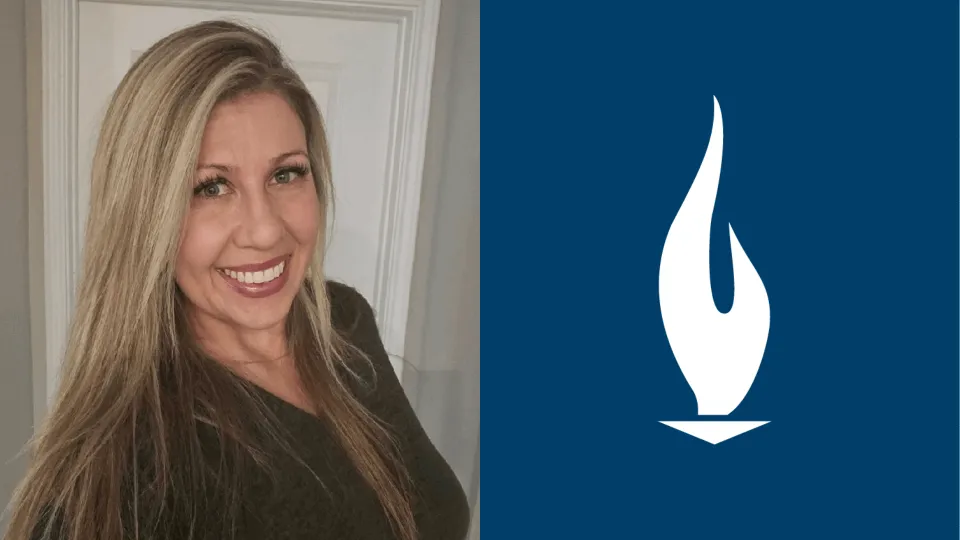
Meet Kirstin Hugo, a licensed cardiovascular sonographer with 20 years of experience in the cardiovascular field. Her path to a career in heart care began in the U.S. Army as a combat medic—a role that taught her resilience, adaptability, and the importance of compassionate care.
Today, she brings those lessons into the classroom as an instructor and the Director of Clinical Education for Concorde San Antonio’s Cardiovascular Sonography (CVS) program, helping prepare future sonographers to make an impact.
Early Beginnings & Discovering CVS
Kirstin enlisted in the Army at 17, driven by purpose and a desire to test her limits. As a combat medic, she delivered emergency and routine care to civilian and military patients—building a foundation of discipline, adaptability, and commitment that would guide her entire career.
Her skills earned her a position as a telemetry technician, monitoring cardiac rhythms, and performing EKGs. This deepened her understanding of the heart and passion for cardiac care.
Then, a casual conversation at the hospital changed everything. A co-worker mentioned cardiovascular sonography (CVS), a field that combines technology with patient care. Kirstin had always envisioned becoming a physician like her father, but discovering this field opened an entirely new door.
"That moment with my colleague was really when I knew that this was the direction I was supposed to take," Kirstin says. "Ever since then, I've fallen in love with the field."
After doing more research, Kirstin applied to the CVS program at Nebraska Methodist College. Kirstin earned her associate degree and continued serving in the military, working as a cardiovascular sonographer in diverse settings—from Colorado to Germany. These experiences abroad and across different healthcare teams shaped her clinical expertise and her passion for mentoring future sonographers.
Teaching the Next Generation of Sonographers
After completing her military service in 2018, Kirstin continued working as a cardiovascular sonographer, but soon a new calling emerged. In November 2021, she became an instructor and the Director of Clinical Education for Concorde San Antonio's CVS program.
For Kirstin, teaching goes beyond demonstrating techniques. It's about preparing students for the real-world pressure and responsibility they'll face—and the impact they'll have on patients' lives. She sets high expectations and pushes students to commit fully, sharing her own journey as proof that dedication opens doors you never imagined.
Kirstin believes that great teaching requires constant evolution. She meets students where they are, embracing new tools and approaches that help concepts click.
"We have to adapt to different ways of learning," Kirstin explains. "I've shared TikTok's with them of different sonographers who I think they should follow. When I do a demo in the lab, I allow them to take videos of me. I have to be open to trying new teaching styles."
Her passion for teaching is fueled by excitement about where the CVS field is headed.
"What excites me is the advancement in technology and the level of education that we now have," Kirstin says. "From 10 years ago until now, the advances in technology have been so amazing. Now, the images on the ultrasound machines can create real-life looking tissue images."
Whether she's working with students or patients, Kirstin emphasizes a fundamental truth: you can't take care of others' hearts if you don't take care of yourself first. “I tell all my students that we must practice self-care and take care of our bodies,” Kirstin says. “We have to stay physically and mentally fit in every single aspect.”
Tips for Keeping Your Heart Healthy
Your heart works nonstop to keep your body functioning, so taking care of it is essential for long-term health. Small, consistent habits can make a big difference in reducing the risk of heart disease and improving overall wellness:
Stay Active: Aim for at least 30 minutes of moderate exercise each day. Activities like walking, cycling, or swimming help strengthen your heart and improve circulation.
Eat Heart-Healthy Foods: Focus on fruits, vegetables, whole grains, lean proteins, and healthy fats like those found in nuts and olive oil. Limit processed foods and added sugars.
Manage Stress: Chronic stress can impact heart health. Practice relaxation techniques such as deep breathing, meditation, or yoga to keep stress levels in check.
Monitor Blood Pressure and Cholesterol: Regular check-ups help you stay informed about your heart health. High blood pressure and cholesterol are major risk factors for cardiovascular disease.
"Hypertension has a significant effect on your heart muscle," Kirstin says. "Unlike our biceps and triceps and our quads, we don't want the heart walls to be thick. So, we really need to take care of our bodies and stay physically and mentally fit."
A Rewarding Career Path
In addition to her full-time role at Concorde, Kirstin continues to work as a cardiovascular sonographer at Methodist Hospital Northeast in San Antonio, TX. This position keeps her connected to patient care and ensures her teaching reflects real-world practice.
At the hospital, Kirstin is an essential part of the diagnostic process. She performs heart scans, interprets results, and communicates critical findings to physicians—actions that can directly influence treatment decisions. It’s a role that demands accuracy, quick thinking, and composure under pressure.
Her ability to stay calm in high-stakes situations is rooted in her military experience.
“Having to deal with hard situations in the Army prepared me for things in the healthcare field,” Kirstin explains. “You still want to maintain compassion for people; that should never go away. But going into situations where a patient is in an emergency, I'm able to focus on my job and what the patient needs most in that moment.”
Beyond technical expertise, Kirstin believes the heart of sonography lies in human connection. Every scan is an opportunity to provide reassurance and empathy.
“Not only are you scanning someone's heart, but you might have lend an ear and be a person that they turn to,” Kirstin says. “You might be in situations that you never thought you would have to be in, but we're still providers and have to understand what they're going through.”
The Power of Cardiovascular Care
Kirstin’s journey reflects how skill and purpose can shape a meaningful healthcare career. From serving as a combat medic to educating future cardiovascular sonographers, she demonstrates that resilience and compassion are essential in heart care.
Picturing yourself in a career where you can make an impact like Kirstin? Consider taking the next step by exploring our cardiovascular sonography program at Concorde, where you'll learn from experienced faculty and gain hands-on career training. Contact our admissions team or schedule a tour to learn more and begin your journey.
Take The Next Step Towards a Brighter Future
Interested in learning more about our Cardiovascular Sonography program?
We have a Concorde representative ready to talk about what matters most to you. Get answers about start dates, curriculum, financial aid, scholarships and more!
Related Articles
View All


Latest Articles
View All