

Concorde Staff


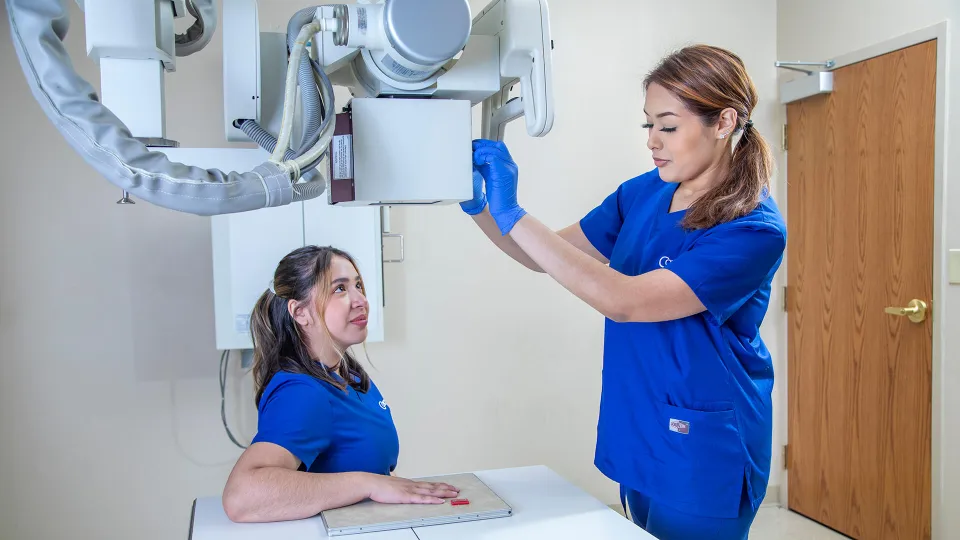
Radiologic technologists play a critical role in health care by performing medical imaging exams. They work directly with patients and use imaging technologies to help doctors accurately diagnose medical issues and create treatment plans. However, their scope of practice has specific boundaries, and understanding them may help current and aspiring radiologic technologists understand their role within the health care system.
Core Responsibilities Within the Scope of Practice
Regardless of their specialization, the main role of a radiologic technologist is to perform diagnostic imaging exams under the supervision of a licensed practitioner and within the boundaries of their certification and training. Some of a radiologic technologist's responsibilities include:
- Operating X-ray equipment and other imaging technologies: The primary task of a radiologic technologist is to operate one or more imaging tools.
- Preparing and positioning patients for imaging procedures: Radiologic technologists interact directly with patients before, during, and after procedures. They explain each process, outline every step, position patients correctly, and comfort patients emotionally.
- Producing high-quality diagnostic images: These health care professionals use their knowledge and expertise to create high-quality images that guide medical doctors and help them understand the nature of patients' medical issues.
- Following radiation safety protocols to protect patients and staff: Imaging equipment may be harmful to those using it. Radiologic technologists are trained to follow specific procedures to protect themselves, their patients, and the rest of the staff from harmful radiation.
- Maintaining imaging equipment: Imaging tools require specific maintenance to ensure their accuracy. It's usually the task of the radiologic technologist to keep them running efficiently.
- Keeping detailed patient records: Radiologic technologists keep track of their work, maintaining detailed records of each imaging procedure they perform.
- Collaborating with radiologists and other health care providers: Radiology techs are part of a larger medical team. Effective collaboration with other health care professionals, including medical doctors and nurses, is essential for patient well-being.
Limitations of a Radiologic Technologist's Scope of Practice
To ensure patient safety and proper medical care, it's important to know the restrictions and limitations on a radiologic technologist's scope of practice. First, they must work under the supervision of a licensed practitioner, typically a radiologist or other medical doctor, depending on the type of imaging procedure. They must not alter a physician's order for imaging exams, interpret images, or diagnose medical conditions.
Radiologic technologists don't prescribe treatments or medications to patients or perform procedures outside their area of certification and training. There may be state-specific restrictions on what procedures they can perform, so understanding state regulations is essential.
Expanding Scope Through Advanced Certifications
Registered radiologic technologists may expand their scope of practice and employment opportunities by specializing in a specific area of the role. Some popular advanced certifications or specializations include:
CT Certification
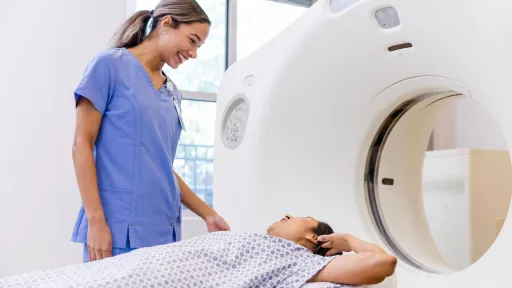
This certification confirms a radiologic technologist's ability and knowledge in operating CT scanners. Applicants need at least 16 hours of structured CT education and must prove that they've performed at least 125 CT procedures of various types. They also need to pass an exam and renew their certification annually.
MRI Certification
This confirms a radiologic technologist's proficiency in using magnetic fields and radio waves to create detailed images of patient organs, joints, and soft tissues. It's awarded by the ARRT and the American Registry of Magnetic Resonance Imaging Technologists. Both certification pathways require completing an MRI-focused educational program and passing an exam.
Mammography
This certification demonstrates a radiologic technologist's skill in performing X-ray imaging procedures for detecting breast cancer. It's awarded by the ARRT, with candidates first being required to pass an ARRT-approved radiography exam and meet specific coursework and experience requirements. Once they're eligible, technologists can take the Mammography Certification exam.
Bone Densitometry
This certifies that an individual has the skills and knowledge to operate a dual-energy X-ray absorptiometry scan to measure bone density, assess fracture risk, and help diagnose issues such as osteoporosis. The two most widely recognized certifications in this subfield are the Certified Bone Densitometry Technologist offered by the International Society for Clinical Densitometry and the ARRT's bone densitometry certification. Both certifications have specific educational, experience-related, and examination requirements, with the ARRT's also requiring a supporting credential in a related area such as radiography or radiation therapy.
Cardiovascular-Interventional Technology
This certification is provided by ARRT, but other institutions, such as the Cardiovascular Credentialing International, offer similar ones. Earning it helps radiologic technologists operate imaging equipment that creates images to guide minimally invasive procedures for diagnosing various heart and blood vessel issues. Applicants need ARRT certification in a supporting discipline, specific educational and clinical prerequisites, and must pass an exam.
Legal and Ethical Considerations
Radiologic technologists should be mindful of the legal and ethical implications of performing tasks outside their scope of practice. They must first research state and federal regulations on medical imaging. Reviewing the ARRT's Standards of Ethics and the Health Insurance Portability and Accountability Act compliance guidelines is essential. Radiology techs should refuse to perform any procedure that contravenes the guidelines, those that they're not qualified for, or unnecessary procedures. Since this field is constantly evolving, continuing education is essential for long-term success.
Train for a Radiologic Technology Career With Concorde Today
Radiologic technologists play a major role in modern medicine, as they help health care professionals visualize various body parts to make accurate diagnoses. However, the role can be highly complex, and it's important to stay within your specific area of expertise. The scope of your practice may be expanded by completing relevant certification programs. Apply for Concorde's Radiologic Technology Associate Degree program to get started in training for this career.
ARRT. (n.d.). ARRT Certification and Registration - ARRT. Www.arrt.org. https://www.arrt.org/pages/about-the-profession/arrt-certification-and-registration
Take The Next Step Towards a Brighter Future
Interested in learning more about our Radiologic Technology program?
We have a Concorde representative ready to talk about what matters most to you. Get answers about start dates, curriculum, financial aid, scholarships and more!
Related Articles
View All


Latest Articles
View All