
Concorde Staff


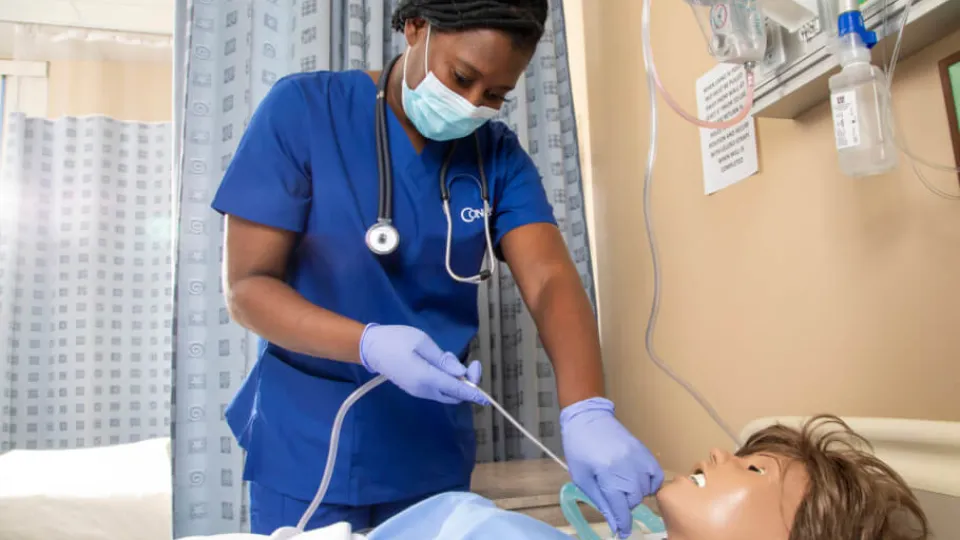
A career in nursing can be both rewarding and productive. There are various options for specialization that may help nurses pursue passions and different scopes of work. However, specialization often comes with additional educational requirements. This guide explores the various career options available in nursing and the education required for each one.
Overview of Nursing Specialties
Nursing is a highly versatile profession, offering both general and specialized career paths. In fact, there are more than 100 recognized nursing specialties, giving nurses numerous opportunities to pursue areas they're most passionate about while advancing their careers. Specialization enables nurses to focus on specific fields, such as pediatrics, geriatrics, oncology, cardiology, critical care, or public health. However, many of these roles require additional education or certification.
One of the most appealing aspects of a nursing career is its flexibility. Nurses can transition between specialties throughout their careers as their interests and goals change. Plus, the demand for nursing professionals remains strong. According to the U.S. Bureau of Labor Statistics, employment for registered nursing is projected to grow by 5% between 2024 and 2034. This growth translates to both career opportunities and job security.
For registered nurses who wish to pursue a Bachelor of Science in Nursing, Concorde Career College offers an RN to BSN program that may be completed in as few as 17 months.
Read more: What are the Types of Nursing Careers?
Popular Nursing Specialties
Specialized nursing fields offer the opportunity to provide personal care and develop expertise in specific areas:
- Medical-surgical nursing: This is one of the most diverse fields. Nurses care for adult patients with a wide range of acute and chronic conditions in hospital settings, often managing treatments and monitoring patient's progress.
- Critical care or ICU nursing: This specialty involves caring for patients with life-threatening illnesses or injuries; nurses use advanced skills to deliver intensive care where quick decisions are crucial.
- Emergency nursing: This field requires fast thinking and rapid response. Emergency nurses assess and treat patients with urgent and acute health problems.
- Pediatric nursing: Pediatric nurses care for infants, children, and adolescents. They work in hospitals, clinics, or outpatient settings, providing both preventive care and treatment for illnesses.
- Obstetric or labor and delivery nursing: These nurses support women during pregnancy, labor, and the postpartum period. They often work in hospitals or birthing centers and are experts in maternal and newborn health.
- Oncology nursing: Oncology nurses care for patients undergoing cancer treatment, managing procedures such as chemotherapy and offering critical emotional support.
- Psychiatric or mental health nursing: This specialty focuses on patients with mental health conditions. Nurses provide therapeutic care in hospitals, clinics, or community settings and are trained in behavioral health.
- Geriatric nursing: Nurses in this specialty care for older adults, managing chronic illnesses, mobility issues, and cognitive challenges. They often work in long-term care facilities or provide home care.
This list is just a snapshot of the many nursing specialties available. Nurses may tailor their careers to match a wide range of interests and the needs of different patient populations. Some of the highest-paying specialties include nurse anesthetist, psychiatric mental health nurse practitioner, nurse midwife, family nurse practitioner, and clinical nurse specialist. For nurses looking to grow their careers, there are plenty of exciting options to explore.
Nonclinical Nursing Career Options

Nursing offers many rewarding career paths beyond direct patient care. These roles let nurses apply their clinical expertise in unique and impactful ways:
- Nurse educator: A nurse educator teaches and mentors nursing students or practicing nurses and develops educational programs. They often work in academic settings, hospitals, or training centers.
- Nurse administrator or manager: This leader oversees nursing staff and manages daily operations and budgets within health care organizations. This role typically requires clinical experience, advanced education, and strong leadership skills.
- Nurse informaticist: A nurse informaticist combines nursing knowledge with information technology and data management to improve health care delivery. They usually work in hospitals, health systems, IT companies, or government agencies and often hold advanced degrees in nursing informatics or related fields.
- Legal nurse consultant: This professional uses clinical knowledge to assist legal professionals by reviewing medical records and providing expert opinions on health care-related cases. Consultants work with law firms, insurance companies, or government agencies and generally hold an RN license along with specialized legal training.
- Nurse researcher: A nurse researcher conducts scientific studies to advance nursing knowledge and improve patient care practices. Most nurse researchers have graduate degrees, such as an MSN or PhD, and strong skills in research methodology and data analysis.
These nonclinical nursing roles offer opportunities for to apply clinical expertise in new ways, often with more predictable schedules and reduced physical demands.
Choosing a Nursing Specialty

Choosing the right nursing specialty is a personal process that requires reflection and research. It involves considering which patient populations, medical conditions, and care settings a nurse most enjoys working with. Clinical rotations and prior work experiences may help identify areas of interest and passion. It's also important for nurses to think about where they'd prefer to work — whether in a hospital, community clinic, research facility, or another type of setting.
Researching market demand can help nurses find specialties with strong job growth and stability. Volunteering, shadowing experienced nurses, or participating in internships may offer insight into various roles before committing to a specialty. It's common for nurses to change specialties throughout their careers as their interests and goals evolve. Staying open to new opportunities is especially beneficial for recent graduates still exploring their options.
Read more: Registered Nurses: A Career With Potential
Pursue a Nursing Specialty With Concorde
Nursing offers a diverse range of specialties and career options, so there's plenty of opportunity for growth, development, and meaningful impact. Whether you want to focus on direct patient care, advanced practice, education, administration, or emerging fields, you're sure to find something that suits your interests and goals. While specializing may bring rewarding challenges and deeper expertise, every nursing role is important. If you're thinking about pursuing a rewarding career in nursing, consider Concorde's entry-level Practical Nursing Diploma program and Vocational Nursing Diploma program. If you are already a registered nurse, the RN to BSN program may be right for you. Contact an admissions representative at Concorde today.
Gleason, B. (2020, June 3). 100+ Awesome Nursing Specializations - NurseJournal.org. NurseJournal. https://nursejournal.org/resources/nursing-specialties-guide/
U.S. Bureau of Labor Statistics. (2024, August 29). Registered Nurses: Occupational Outlook Handbook. Bls.gov. https://www.bls.gov/ooh/healthcare/registered-nurses.htm
Inc, C. A. (2021, January 26). A Career As A Nurse Anesthetist | CPR Anesthesia. https://cprinc.biz/2021/01/26/a-career-as-a-nurse-anesthetist/
Take The Next Step Towards a Brighter Future
Interested in learning more about our Nursing (Pre-Licensure) program?
We have a Concorde representative ready to talk about what matters most to you. Get answers about start dates, curriculum, financial aid, scholarships and more!
Related Articles
View All


Latest Articles
View All