
Concorde Staff


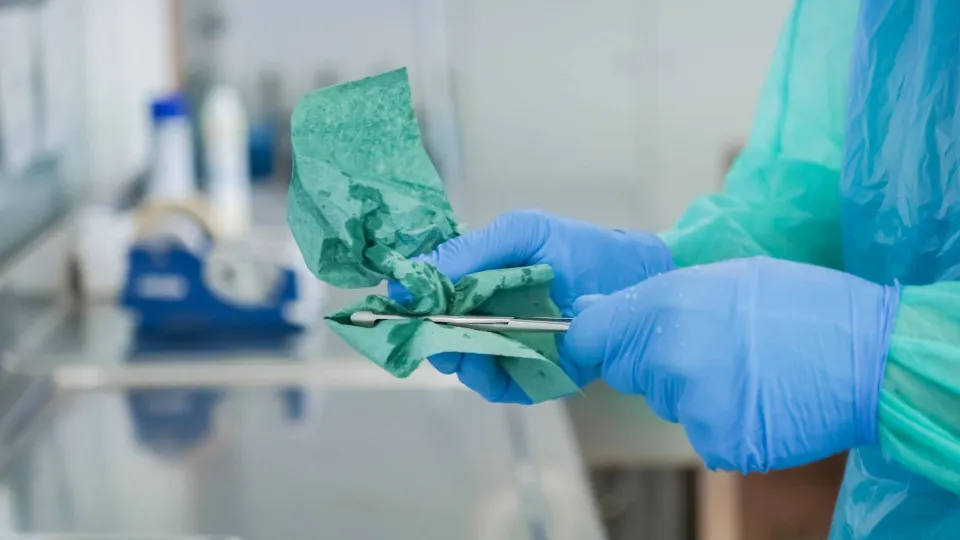
In a high-stakes environment such as health care, patient safety depends on the precision, thoroughness, and reliability of the hospital's cleaning policies. Even one contaminated medical instrument can wreak havoc. Sterile processing technicians work hard behind the scenes to clean and sterilize every tool and medical device to ensure they're safe for the next patient. This article offers a step-by-step guide for anyone considering training as a certified sterile processing technician.
What Is Sterile Processing?
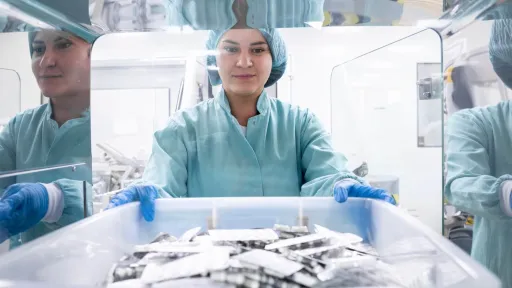
Sterile processing refers to the preparing, cleaning, and decontaminating of medical instruments and equipment. This process is essential for patient safety. A single contaminated instrument can cause serious health care-associated infections, orHAIs. Sterile processing technicians, sometimes called central service technicians, may work in hospitals, surgical centers, dental offices, and clinics. Their main tasks include:
- Collecting and sorting instruments and equipment after use
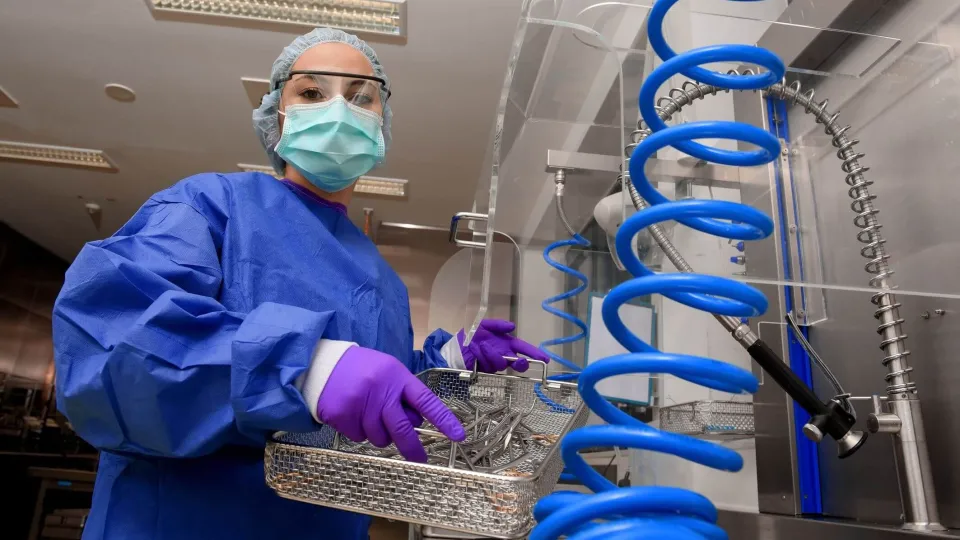
- Decontaminating and sterilizing surgical instruments
- Preparing instrument trays for procedures
- Managing stock of sterile supplies
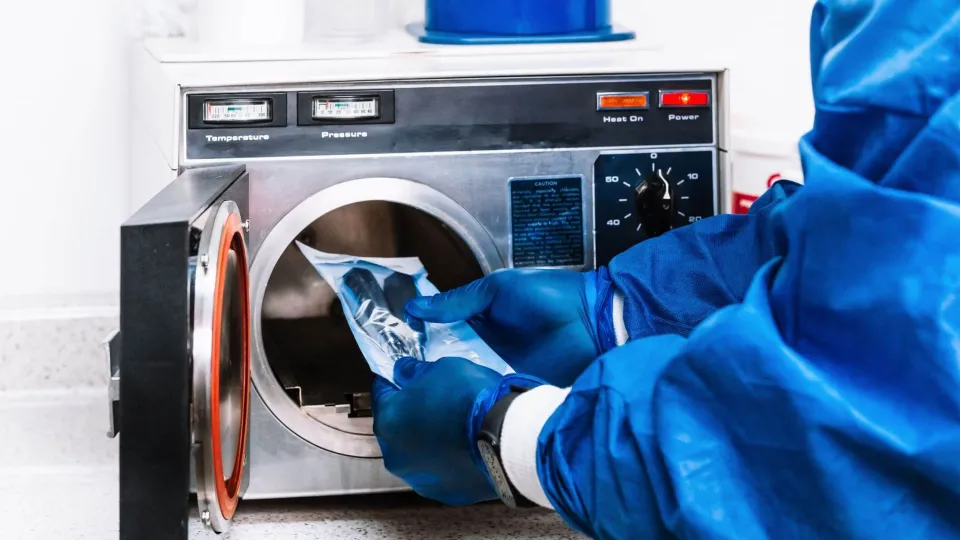
- Operating and maintaining sterilization equipment, such as autoclaves
- Keeping records of sterilization processes, inventory, and maintenance
Sterile processing technicians are becoming increasingly important because of the growing number of surgical procedures performed each year. For example, by 2027, the number of surgical procedures in the United States is projected to exceed 122 million , up from 46.5 million annually as of November 2023. The CDC reports that 1 in 31 hospital patients get an HAI on any given day , showing how important the role of sterile processing is to improve patient safety.
Steps To Become a Certified Sterile Processing Technician
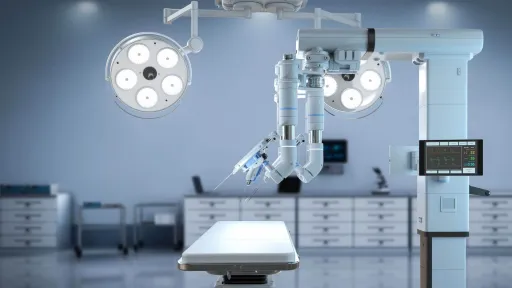
The following steps are required to pursue a career as a certified sterile processing technician:
Step 1: Meet Educational Requirements
A high school diploma or equivalent is a basic requirement for entry-level positions, but many employers prefer candidates who have completed post-secondary training or have specialized training in sterile processing. Training programs are widely available at community colleges, vocational schools, and through online platforms. Concorde Career College offers a Sterile Processing Technician diploma program that may be completed in as little as five months. This hybrid program combines online and in-person instruction, preparing students with foundational knowledge for the next stages of training and certification.
Step 2: Complete a Sterile Processing Training Program
Training programs are designed to prepare students with knowledge and practical skills to work in sterile processing. Students can expect to learn:
- Medical terminology, anatomy, and microbiology
- Infection prevention and control
- Sterilization techniques and how to use equipment
- Quality control and safety protocols
Many programs also include hands-on laboratory work. Completing a recognized training program prepares students for certification exams and may give them an edge when applying for entry-level positions.
Related: How To Choose a Training Program
Step 3: Gain Hands-On Experience
Hands-on practical experience is essential for developing the skills and confidence needed to work in sterile processing. This is especially important for individuals pursuing the Certified Registered Central Service Technician (CRCST) credential. One of the requirements for this certification, issued by the Healthcare Sterile Processing Association (HSPA), is the completion of 400 hours of practical experience in a sterile processing department. These hours can be acquired through paid employment or volunteer positions.
Concorde Career College's program provides the opportunity for an 80-hour nonpaid externship, which helps toward satisfying the above requirement. During this phase, technicians hone important skills, such as equipment assembly and disassembly, sterile storage, and sterilization cycle documentation.
Step 4: Obtain Certification
Most employers prefer or even require technicians to be certified. The HSPA and the Certification Board for Sterile Processing and Distribution (CBSPD) are the two primary certifying bodies. The CRCST certification from the HSPA is generally the most recognized and requires the following :
- Complete 400 hours of hands-on experience within the last five years
- Pass an exam consisting of 150 multiple-choice questions
- Complete the exam within three hours
- Pay an exam fee of $140
Additional certifications, such as Certified Instrument Specialist (CIS) or Certified Endoscope Reprocessor (CER), are available for those looking to specialize or pursue more supervisory roles. Students should always check their state's specific regulations, as some states may have their own requirements for sterile processing technicians.
Read more: Is Sterilization Processing Technician Training Right For You?
Career Outlook for Sterile Processing Technicians
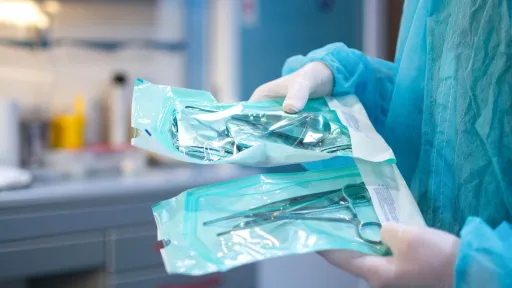
The demand for sterile processing technicians is projected to grow faster than the average for most occupations. The U.S. Bureau of Labor Statistics puts this projected growth at 5% over the next decade. Common work environments for technicians include :
- General medical and surgical hospitals: 46,330
- Dentists' offices: 5,010
- Outpatient care centers: 4,140
- Physicians' offices: 3,350
- Employment services: 1,980
Career advancement is possible through specialization and continued education. Certified technicians can pursue leadership roles or transition into related fields such as surgical technology or infection control. Maintaining certification often requires continuing education, ensuring professionals stay updated with ever-changing standards and technologies.
Read more: The Role of Sterile Processing in Health Care Facilities
Pursue a Career as a Certified Sterile Processing Technician
Becoming a certified sterile processing technician involves several critical steps, including meeting educational prerequisites, completing a specialized training program, gaining hands-on experience, and passing a recognized certification exam. These steps help uphold patient safety and the integrity of health care services. As the number of surgeries continues to grow and infection prevention remains a top priority, the role of sterile processing technicians has never been more vital. If you're ready to get started, take the first step toward a rewarding future in sterile processing by contacting an admissions representative today.
Frequently Asked Questions
Here are some frequently asked questions about certified sterile processing technicians:
What Are the Specific Responsibilities of Sterile Processing Technicians in Health Care Settings?
Sterile processing technicians, or central service professionals, are an important part of preventing infection. They sterilize, clean, process, assemble, store, and distribute medical supplies safely and hygienically.
What Is the Typical Duration of a Sterile Processing Technician Training Program?
Most training programs range from five to eight months, depending on whether it's pursued part-time or full-time. Concorde Career College has a training program that may be completed in as few as five months.
What Are the Most Common Topics Covered in Sterile Processing Training Programs?
Common topics for sterile processing training include infection control, workplace safety, decontamination and disinfection processes, tray assembly, and low-temperature sterilization.
What Types of Sterilization Methods and Equipment Are Commonly Used in Health Care Facilities?
Common sterilization methods include steam sterilization (autoclaving), ethylene oxide gas sterilization, radiation sterilization, and chemical sterilization. Technicians often use autoclaving for heat-resistant items and ethylene oxide for heat- or moisture-sensitive devices. Radiation can sterilize single-use items and pharmaceuticals. Chemical sterilants, such as hydrogen peroxide, are used for equipment that cannot handle heat or moisture.
What Are the Specific Tasks and Skills Developed During Hands-On Sterile Processing Experience?
Hands-on experience in sterile processing builds essential skills for maintaining patient safety and efficiency. These skills may include meticulous cleaning, decontamination, and sterilization procedures, as well as equipment operation and maintenance, attention to detail, and effective communication.
What Are the Differences Between the HSPA and CBSPD Certifications for Sterile Processing Technicians?
Sterile processing certifications through the HSPA and CBSPD each have their own scope and requirements. The HSPA's CRCST certification is widely recognized and focuses on entry-level and existing technicians, while the CBSPD's CSPDT certification, along with other specializations, caters to a broader range of roles within sterile processing.
What Are the Recertification Requirements for the CRCST Certification?
To recertify as a CRCST, students need to earn 12 continuing education credits each year and pay a renewal fee. These credits must be related to the field of sterile processing and be technical in nature.
What Are the Continuing Education Requirements for Sterile Processing Technicians To Stay Updated on Industry Standards?
The specific requirements vary depending on the certification. HSPA certifications are valid for one year and require 12 credits for CRCST renewal and six for CIS or CER certifications each year. CBSPD certifications are valid for five years and require 100 contact hours every renewal period.
CDC. (2024, November 6). HAIs: Reports and data. Healthcare-Associated Infections (HAIs). https://www.cdc.gov/healthcare-associated-infections/php/data/index.html
Certified Registered Central Service Technician (CRCST). (n.d.). Healthcare Sterile Processing Association. https://myhspa.org/certification/certification-overview/certified-registered-central-service-technician-crcst/
U.S. Bureau of labor statistics. (2018, April 13). Surgical Technologists : Occupational Outlook Handbook: : U.S. Bureau of Labor Statistics. Bls.gov. https://www.bls.gov/ooh/healthcare/surgical-technologists.htm
Medical Equipment Preparers. (2023, April 25). Bureau of Labor Statistics. https://www.bls.gov/oes/2023/may/oes319093.htm
Renew Your Certification - Healthcare Sterile Processing Association. (2025, August 8). Healthcare Sterile Processing Association. https://myhspa.org/certification/renew-your-certification/
Take The Next Step Towards a Brighter Future
Interested in learning more about our Sterile Processing program?
We have a Concorde representative ready to talk about what matters most to you. Get answers about start dates, curriculum, financial aid, scholarships and more!
Related Articles
View All

Latest Articles
View All