

Concorde Staff


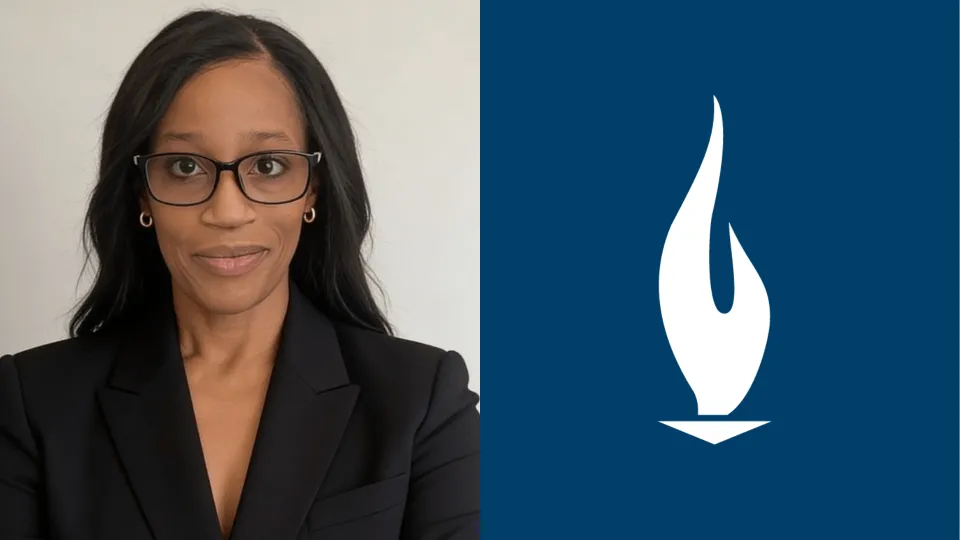
Shawn Higgins, PhD, RN recently joined Concorde Career Colleges as National Dean of Nursing. She brings extensive nursing education expertise focused on advancing student learning and a diverse clinical background spanning long-term care, home health, medical-surgical care, and hospice. As she approaches her first 90 days on the job, Dr. Higgins shares her perspective on nursing education, her priorities as a leader, and her vision for supporting the next generation of nurses.
Q: What first inspired you to become a nurse, and what led you to move from patient care to academic leadership?
A: From the time that I was little, I always knew that I wanted to be in education. As a young mom, I found myself working in a nursing home and was inspired by all the nurses. It dawned on me that those nurses were teaching—whether explaining treatment or aftercare to patients or training new nurses on the floor. So that's what prompted me to look into nursing school. After nursing school, I found myself being the person that individuals would come to for help with orientations and explanations. Eventually, someone told me about a new nursing school opening down the road, and they encouraged me to apply. Before then, I hadn’t really considered going into nursing education. However, that opportunity allowed me to transition from being on the floor to educating future nurses. That was in June 2007, and I’ve been in nursing education ever since.
Q: What inspired you to join Concorde, and what key priorities or goals are you focused on achieving as you begin your first year as National Dean of Nursing?
A: The mission behind Concorde and its commitment to growing nursing programs across campuses really inspired me. I’m always drawn to opportunities where I can make meaningful improvements, so I was instantly intrigued by this role.
First and foremost, my focus is on creating consistency and strengthening support across the board—starting with our faculty. It’s critical that faculty feel seen, heard, and supported, because their experience directly impacts our students. When faculty are empowered, students are more likely to succeed.
From there, the focus extends to ensuring students have the resources they need, and that faculty are equipped to guide them effectively. Maintaining strong NCLEX pass rates is essential. I want to focus on early identification of challenges in the student journey, providing support from the beginning to help students progress smoothly while maintaining academic rigor.
Finally, I’m excited about expanding our program capacity through strong partnerships with clinical sites. I would love to deepen relationships with hospital partners who would be open to creating a designated education unit with us, where we can create clear pathways from education to employment for our graduates.
Q: What do you find most rewarding about working in nursing education and helping to shape future nurses?
A: Being able to live vicariously through our graduates—and seeing our part in their growth. The best compliment I have ever received was somebody telling me, “Dr. Higgins, I saw that you were able to accomplish this, and I figured if you can do it, I can do it too.” That's the part that I absolutely love. Oftentimes, we don't recognize that we truly are someone's hero, even in the smallest way. Most students don't pause to think that their faculty or nurse administrator was once in their shoes. We're all unique and have different experiences, but being vulnerable enough to share your own journey can lead to somebody being inspired.
Q: What do you see as some of the most pressing challenges facing nursing today, both in practice and education, and opportunities for growing the profession?
A: I think we often talk about a nursing shortage, but the deeper issue is the shortage of qualified nurse educators. Program capacity—whether at public or proprietary institutions—is largely limited by how many educators are available to teach.
Public institutions often have stricter admissions requirements and fewer seats, while proprietary institutions can offer more access and serve as a second chance for students pursuing nursing. But the challenge remains the same: finding qualified educators so that we can help students realize their dream of becoming nurses.
Another key factor is our relationship with clinical partners. In some specialty areas, there are bottlenecks in placing students for clinicals, so our ability to grow is limited. Expanding and strengthening those clinical partner relationships is definitely an area of opportunity.
We also have to keep pace with evolving expectations from clinical partners, ensuring our graduates are competent, confident, and prepared to practice safely after passing the NCLEX.
Those are the areas where we need to stay focused as we continue to grow the profession.
Q: Outside of nursing education, what are some of your personal interests?
A: I absolutely love writing, whether it’s poems or stories. If I never went into education or nursing, I probably would have been a fiction writer. It's like living in that fantasy world. I also love to sing and do karaoke. I'm a big football fan and since I’m from Ohio, my teams are the Bengals and The Ohio State University Buckeyes. I truly am an individual who has an old soul, so I also enjoy quiet pastimes like crocheting, quilting, reading, and candle making.
Q: With National Nurses Week/Month approaching, what does this celebration mean to you personally, and why is it important to spotlight nurses and educators?
A: It’s an important opportunity to give people a true understanding of what nursing is—and what it can be. Many enter the profession with a limited view and can feel disillusioned if they’re not prepared for both the challenges and the rewards. It’s important to strike that balance: to be honest about the difficult moments while also highlighting the meaningful ones.
Nursing can be emotionally demanding, especially when facing loss. But even in those moments, there is purpose—whether it’s supporting a patient’s family or finding small ways to bring comfort during a difficult time. Those experiences matter and deserve to be recognized. One of my favorite jobs was being a hospice nurse. To me, it was special to be there for patients and their loved ones during their final moments. Nursing isn't always positive, but we can always choose to find the positive in the challenges we face.
That’s why it’s so important to celebrate nurses and educators. They help shape not only clinical skills, but also resilience, compassion, and perspective.
News & Press Releases
View More| Press Release

